Buildings · Technical systems · Infrastructure
Technical Building Systems & Infrastructure
Commercial development for manufacturers of technical products and systems used in buildings, industrial facilities and infrastructure projects.
Myralbe helps manufacturers identify relevant applications, engage the organisations influencing product selection and develop opportunities through specification, procurement, installation and operational requirements.
Our work connects technical value with the project responsibilities, commercial relationships and local support needed to develop the market in Spain, Portugal and France.
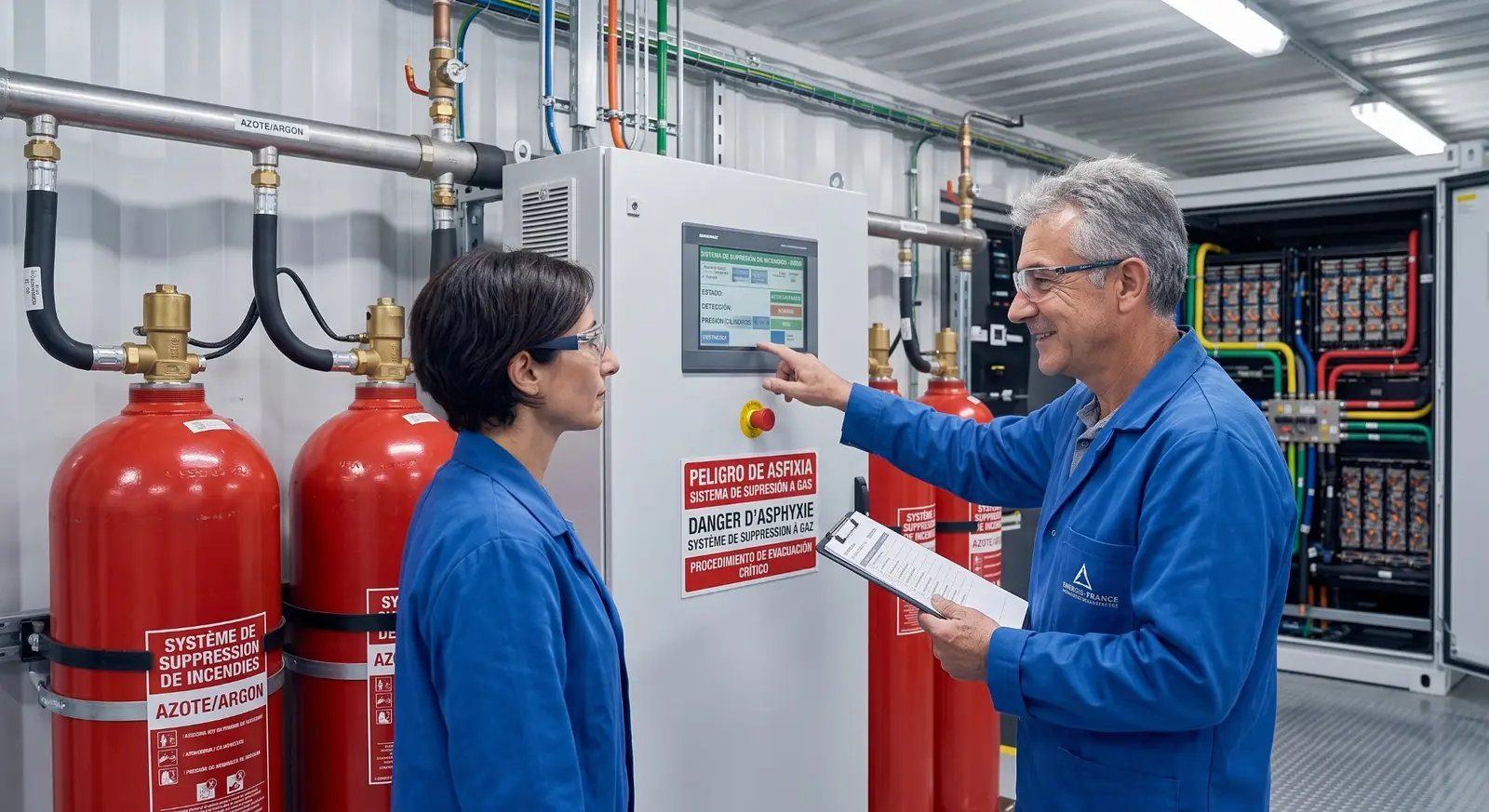
Technical team reviewing fire-suppression controls in a building systems installation
Commercial perspective
Technical building products enter the market through several routes.
A consultant may define the performance requirement, a contractor may purchase the equipment, an installer may determine how it is incorporated and an operator may assess whether it can be maintained throughout its service life.
The commercial approach must address each of those responsibilities.
For a building-control manufacturer, the opportunity may depend on integration with existing systems and the availability of a capable local partner. For a specialised construction component, it may depend on documented performance for the intended installation. For an infrastructure-monitoring solution, it may depend on how its findings support inspection and maintenance decisions.
We identify where the product enters that structure, which organisations can influence its adoption and what evidence or coordination is needed for the opportunity to progress.
The account strategy follows the application, project stage and purchasing route.
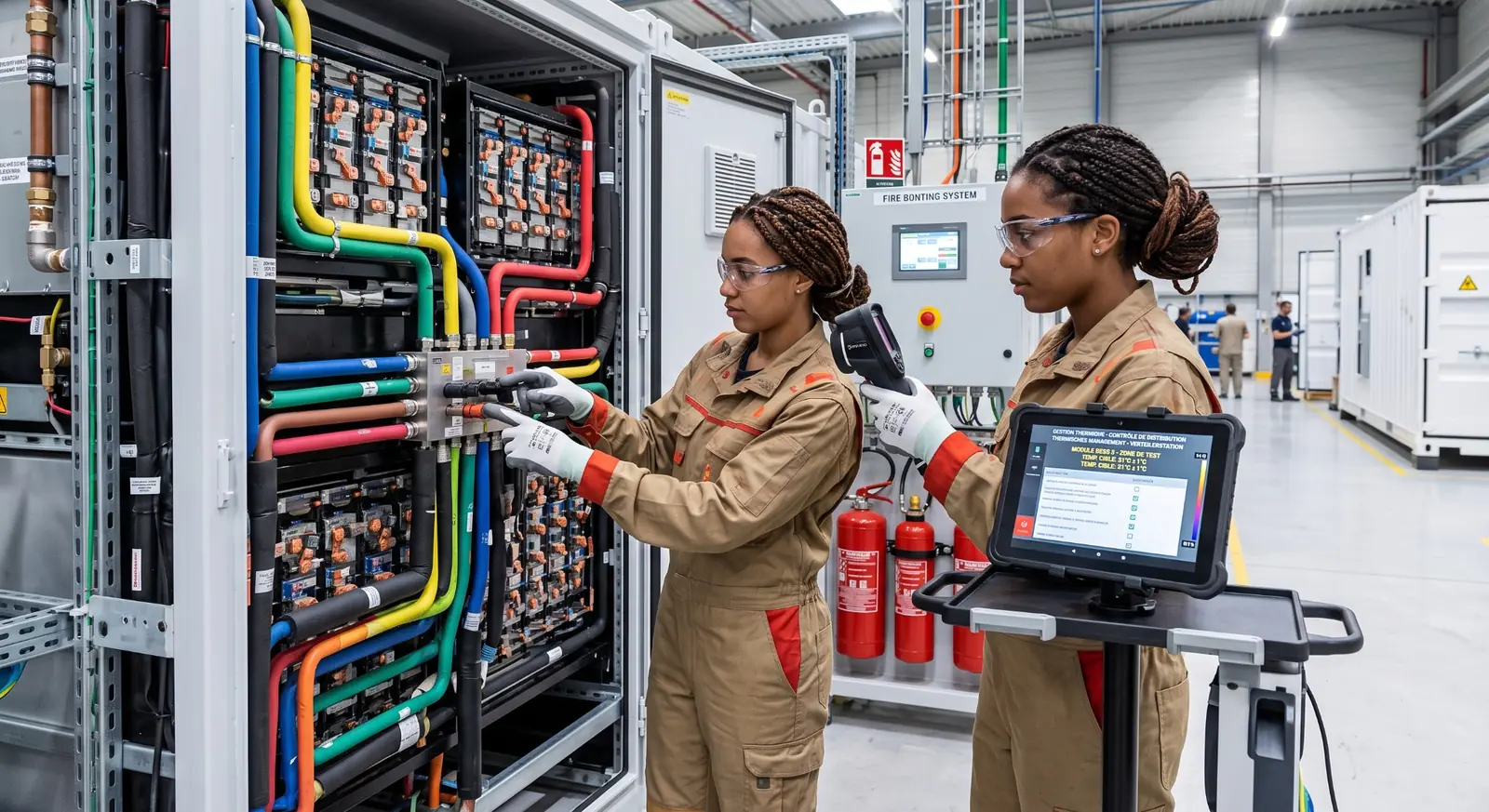
Engineers commissioning integrated electrical systems for a technical facility
Application focus
We identify the consultants, contractors, specialist installers and owner representatives relevant to the manufacturer’s scope, then establish where technical information and commercial engagement can contribute to product selection.
We develop opportunities around a defined improvement: replacing obsolete controls, extending monitoring, upgrading technical infrastructure or introducing products compatible with the planned refurbishment.
We identify who defines group requirements, who manages local implementation and what must be demonstrated before a solution can be considered for additional facilities.
We qualify the asset, the operational requirement and the organisation responsible for acting on the information or supplying the maintenance service.
Technology scope
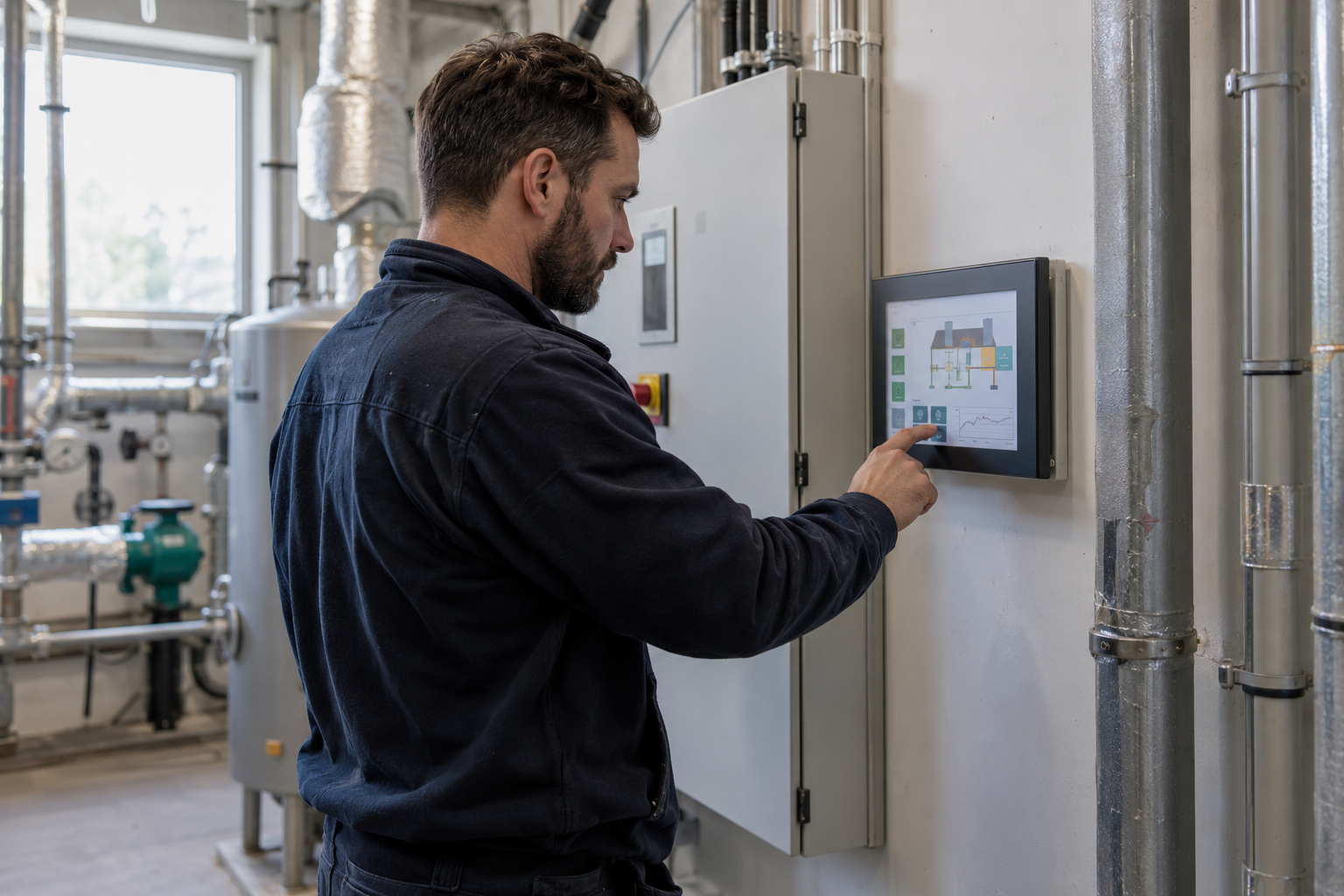
Building management systems, controllers, field devices, gateways and software used to coordinate and supervise building services.
Commercial qualification begins with the required functions: which systems are involved, what information must be exchanged, which commands are permitted and who will configure and maintain the installation.
A shared communication protocol provides a basis for interoperability; the required functions and implemented capabilities still need to be established for the particular devices and application.
We identify the engineering consultants, controls integrators, contractors and owner teams relevant to those requirements.
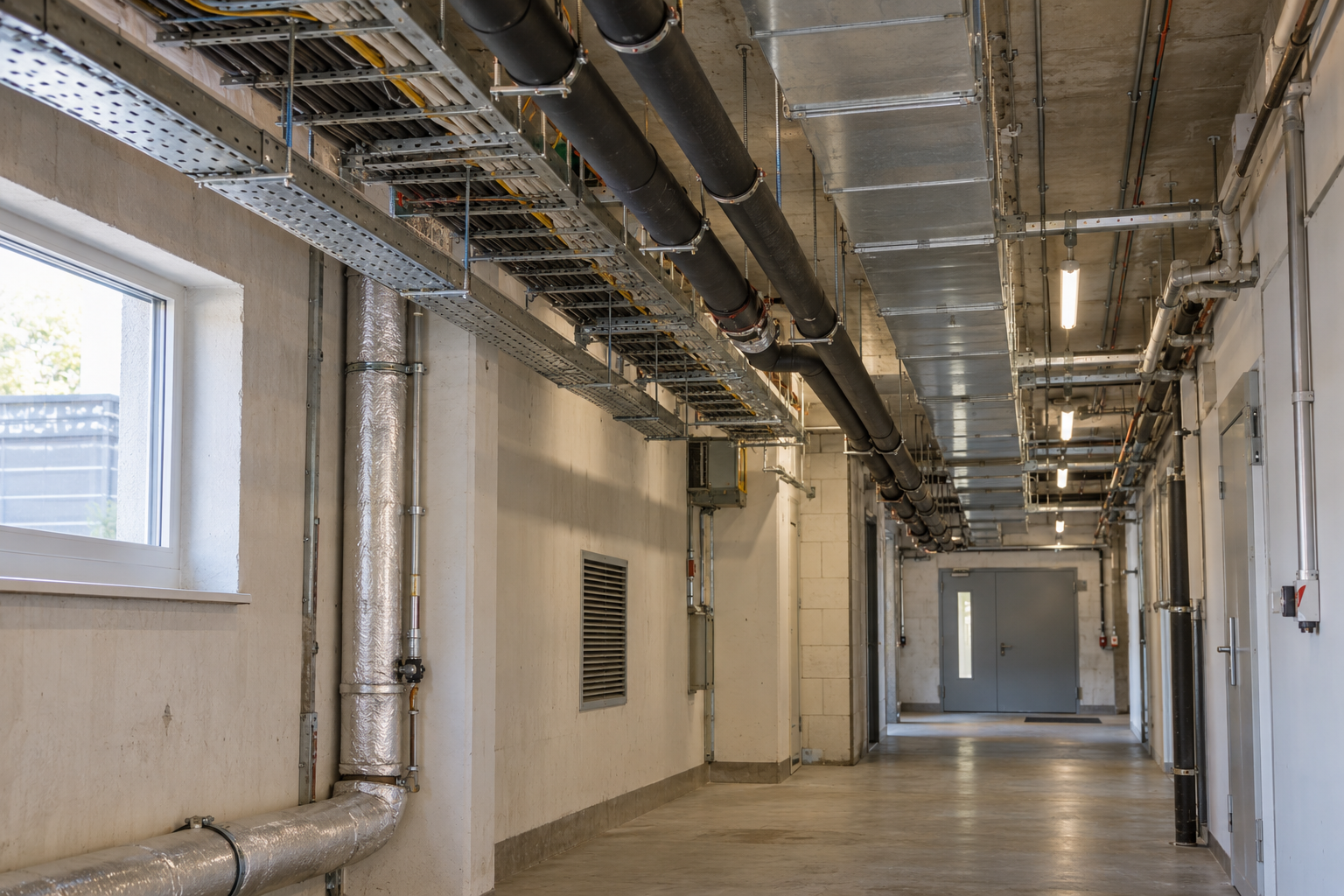
Products supporting the distribution, routing, protection and installation of electrical and mechanical services in buildings and infrastructure.
Applications may involve cable-management systems, service supports, mounting arrangements and associated components incorporated into a wider installation.
We qualify the service being supported, installation location, physical interfaces, environmental exposure and responsibility for selecting and installing the product.
The commercial scope should make clear whether the manufacturer supplies individual components, a coordinated system or a project-specific package requiring further engineering and installation work.

Access-control equipment, security monitoring, detection technologies and products associated with building safety.
We distinguish the required functions, user groups, monitored areas and interfaces with other systems.
Where access control interacts with emergency arrangements, the required door responses and control responsibilities must be established for the application.
Manufacturer documentation demonstrates that emergency inputs can be configured for different actions, making the intended response an explicit design consideration.
Commercial development connects the manufacturer with the relevant specifiers, specialist contractors, integrators and operating teams.
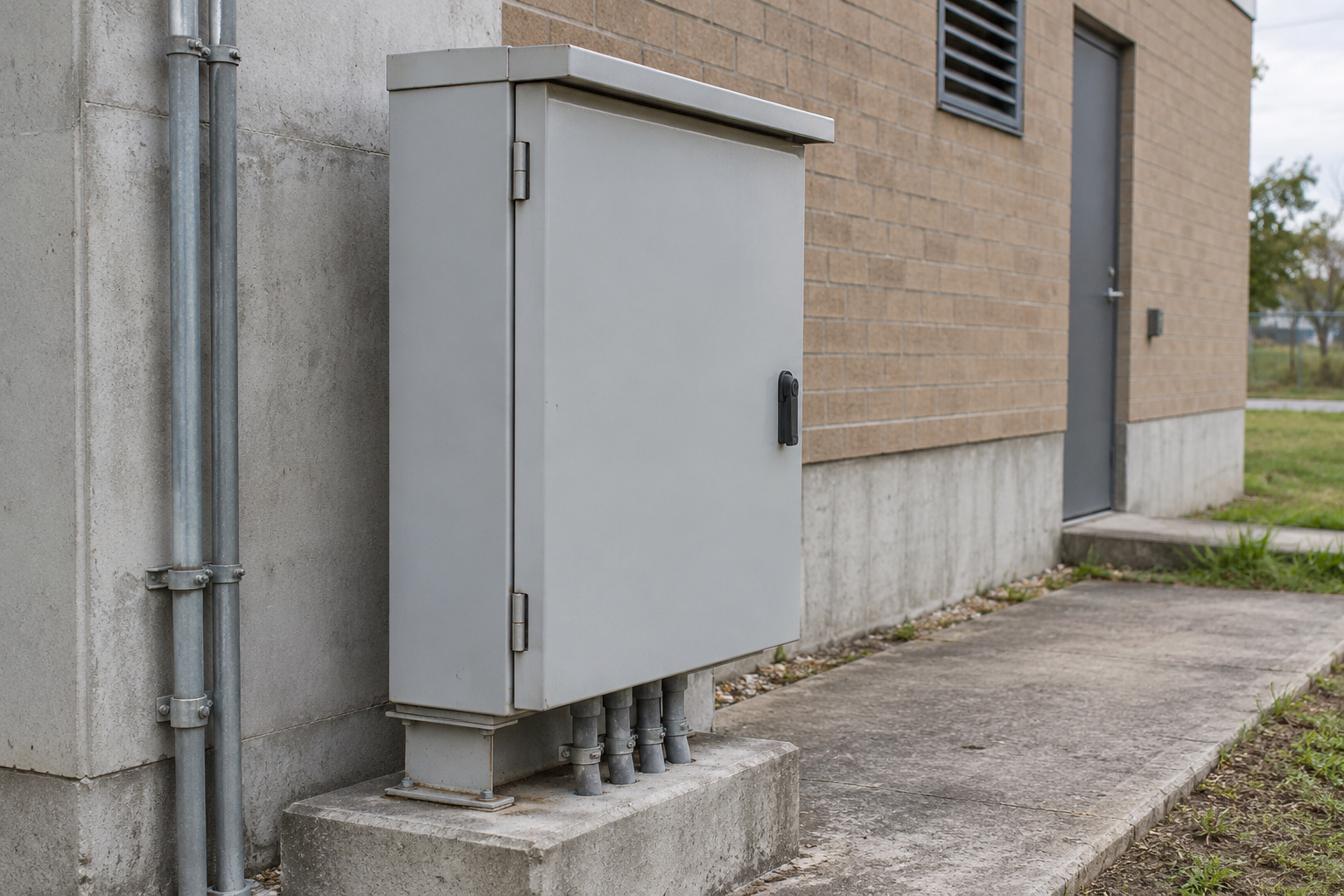
Enclosures, cabinets, modular housings and related systems used to accommodate technical equipment.
Selection involves the installation environment, dimensions, equipment layout, heat dissipation, cable entry and maintenance access.
Ingress protection is one part of that assessment.
An IP rating describes protection against solids and water under defined tests; corrosion, condensation, chemical exposure and the effects of fitted accessories require further consideration.
We establish the supply boundary between the enclosure, installed equipment and completed assembly, then identify the organisations responsible for each part.
Metering, monitoring, control and associated technologies intended to support more efficient operation of buildings and technical services.
We qualify the energy use being addressed, the available operating data, the actions the customer can take and the decision the proposed solution will support.
Where a proposal includes measured savings, the assessment needs an appropriate baseline and consideration of changes in operating conditions.
Measurement and verification guidance treats baseline definition and subsequent adjustments as central to evaluating performance.
Commercial engagement focuses on the owner, engineering adviser, facility team or integration partner responsible for the proposed improvement.
Connected sensors, monitoring devices, gateways and software supporting the management of building environments and assets.
We define the intended use of the information: identifying abnormal conditions, informing maintenance, understanding occupancy or helping an operator manage building services.
Qualification includes system interfaces, data access, software licences, deployment requirements and ongoing support. For connected devices, security updates and software support periods are material lifecycle considerations; manufacturers such as Axis publish vulnerability information and end-of-support dates to support customer planning.
We develop accounts around a defined operational use and a workable implementation route.
Technical components whose selection depends on their intended use and documented performance within a construction application.
Examples may include specialist fixings, supports, penetration-sealing products and other components incorporated into building or infrastructure assemblies.
A European Technical Assessment identifies assessed product characteristics in relation to defined intended uses. For applications such as firestopping, supporting evidence also identifies relevant installation configurations, materials and dimensional conditions.
We help the manufacturer identify the relevant specifiers and installation partners, establish the required documentation and coordinate questions about the proposed application.
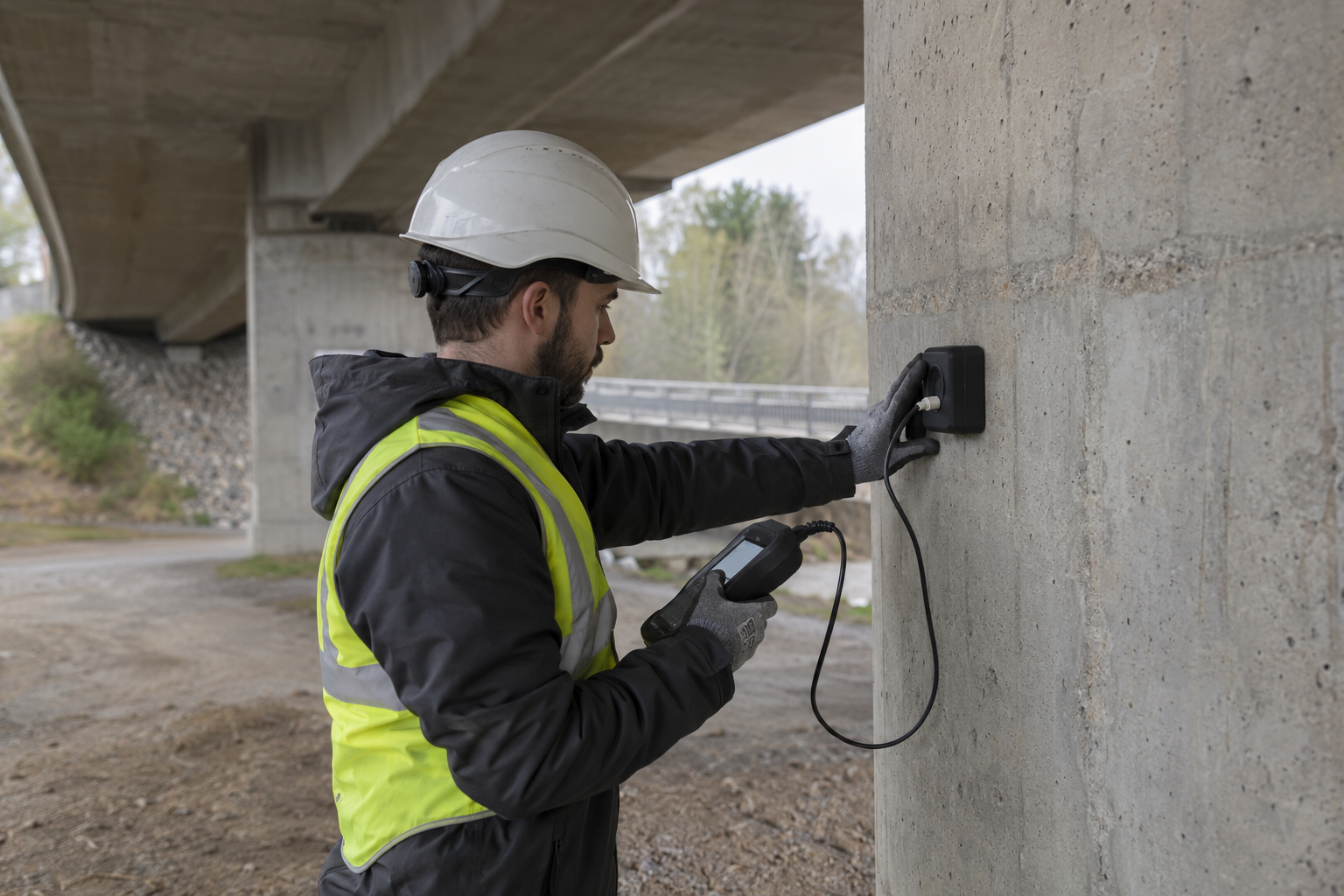
Inspection equipment, condition-monitoring technologies, diagnostic tools and products supporting the maintenance of technical assets.
We qualify the asset being examined, the conditions affecting access, the required findings and the organisation responsible for interpreting results and deciding on further action.
The commercial case may concern more consistent records, earlier identification of deterioration, improved inspection access or better information for maintenance planning.
Account development focuses on asset owners, infrastructure operators, specialist service providers and technical teams with a defined inspection or maintenance responsibility.
Opportunity qualification
We establish whether the opportunity is at concept design, detailed specification, tender, procurement, installation or refurbishment.
That determines which organisations should be approached, how much scope remains for product selection and what the manufacturer needs to provide next.
We identify the intended application, the performance requested and the documents needed by the project team.
Where an alternative product is proposed, we establish who reviews it, which criteria govern acceptance and what information is needed to support that review.
We qualify the systems, components and site conditions with which the product must interact.
For connected equipment, this includes the required information exchange and configuration responsibilities. For physical components, it includes dimensions, mounting, service interfaces, access and installation conditions.
For refurbishment, we establish what is already installed, what information is available and which services must continue operating during the work.
We also identify restrictions affecting site access, installation timing, migration and coordination with existing maintenance providers.
We clarify expectations for testing, documentation, training, configuration records, replacement parts and ongoing assistance.
For building automation, structured project information can form an important part of handover. KNX’s reporting tools, for example, provide records of building functions, devices, topology and programming status.
We assess budget responsibility, procurement arrangements, lead times, channel requirements and the support resources needed to serve the account.
An opportunity should have a defined requirement, a credible purchasing route and an identifiable next step.
Buyer ecosystem
We identify relevant practices, project types and specification responsibilities, then coordinate application information and product documentation appropriate to their role.
For each opportunity, we establish where architectural requirements intersect with engineering, installation and owner approval.
We develop relationships around the manufacturer’s relevant disciplines and applications, identifying who prepares specifications, evaluates alternatives and coordinates technical packages.
Engagement focuses on the evidence and application information needed for the engineer to assess the proposed product.
We identify the relevant procurement team, package manager and specialist subcontractors, then qualify programme requirements, commercial conditions and the route for product submission.
Account development reflects the contractor’s delivery responsibilities and the stage at which purchasing decisions are made.
We qualify their technical capabilities, application coverage, commissioning resources and service capacity.
Partner development considers product training, documentation, supply arrangements and the support required to make the manufacturer’s technology practical to install and maintain.
We identify the technical, maintenance, project and procurement functions relevant to the proposed technology.
Commercial qualification establishes the operating requirement, asset-access conditions, acceptance process and arrangements for ongoing service.
We map investment, asset-management and facility responsibilities, identifying whether the requirement concerns a new development, refurbishment or portfolio improvement.
Engagement connects the proposed technology with operating priorities, implementation costs and the support needed across the relevant properties.
We identify facility engineering, maintenance, safety, project and procurement stakeholders.
Opportunity development considers site standards, operational continuity, existing equipment and the coordination required to introduce the product within a working facility.
We evaluate application coverage, customer relationships, technical sales capability and the resources available to support the product.
Channel development includes product positioning, training, stock expectations, enquiry handling and coordination with the manufacturer on more demanding applications.
European market context
Where a product falls within the Construction Products Regulation, the applicable framework and technical specification need to be identified for that product family.
The European Commission describes a phased transition between the previous and revised CPR frameworks, with product families migrating individually as the relevant new specifications are introduced.
We coordinate the commercial discussion around the applicable documentation, declared performance, intended use and project requirements, with technical interpretation provided by the manufacturer and responsible project specialists.
The revised Energy Performance of Buildings Directive includes provisions concerning renovation, technical systems, building automation and control, and indoor environmental quality.
Its implementation depends on national measures and the building concerned.
We qualify the customer’s actual investment requirement and the local project context when developing opportunities for monitoring, control and energy-related technologies.
For connected technologies, we establish the customer’s requirements for network access, user permissions, software maintenance and data management.
Where systems identify or monitor people, we include the customer’s privacy requirements in the qualification process and connect relevant questions with the responsible technical and organisational teams.
These requirements form part of the proposed deployment and support arrangements.
What a mandate covers
The work establishes where the product creates value, which requirements it addresses and which accounts merit direct development.
Account mapping distinguishes decision-making roles and considers the local partners needed to supply, integrate or support the product.
Discussions establish current requirements, project involvement, purchasing arrangements and the account’s willingness to evaluate the manufacturer’s offer.
Questions requiring technical assessment are coordinated with the manufacturer and the appropriate project specialists.
Progress is tracked through identifiable stages such as specification review, partner assessment, product submission, quotation and purchasing discussion.
Principal markets
Spanish-language commercial development across engineering firms, contractors, specialist installers, property groups, industrial owners and infrastructure operators.
Account selection follows the manufacturer’s application, project responsibilities and local supply and support requirements.
Native-language account development shaped around the Portuguese building, industrial and infrastructure ecosystem.
We identify the specifiers, buyers and technical partners relevant to the proposed product and develop engagement around their actual projects and requirements.
French-language commercial development across the organisations influencing technical product selection, procurement and installation.
Engagement considers specification practices, documentation expectations and the partnerships required to support the application locally.
Additional European and international mandates assembled around the manufacturer’s technology, target applications and commercial objectives.
Coverage is defined by the opportunity and the resources needed to develop and support it.
Build a commercial approach around the applications your products serve, the organisations influencing selection and the requirements governing installation and long-term operation.
Discuss your technology, target markets and commercial priorities with Myralbe.