Climate · Cooling · Technical environments
HVAC & Industrial Refrigeration
Market development for climate and refrigeration technologies serving industrial facilities, buildings and operations that depend on controlled thermal conditions.
Myralbe helps manufacturers develop business in Spain, Portugal and France by identifying relevant applications, engaging buyers and specifiers, and progressing opportunities through technical evaluation, proposals and commercial decisions.
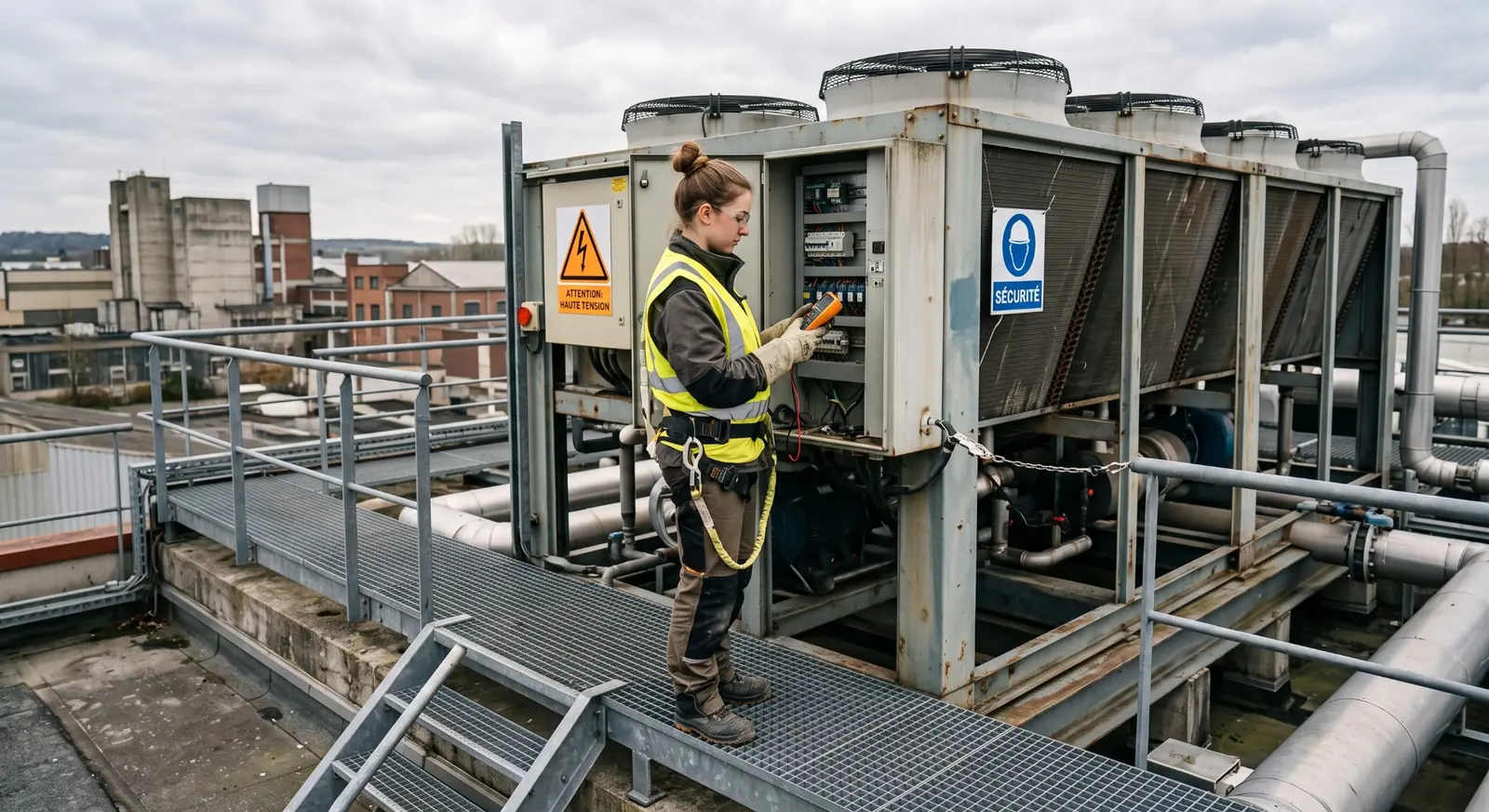
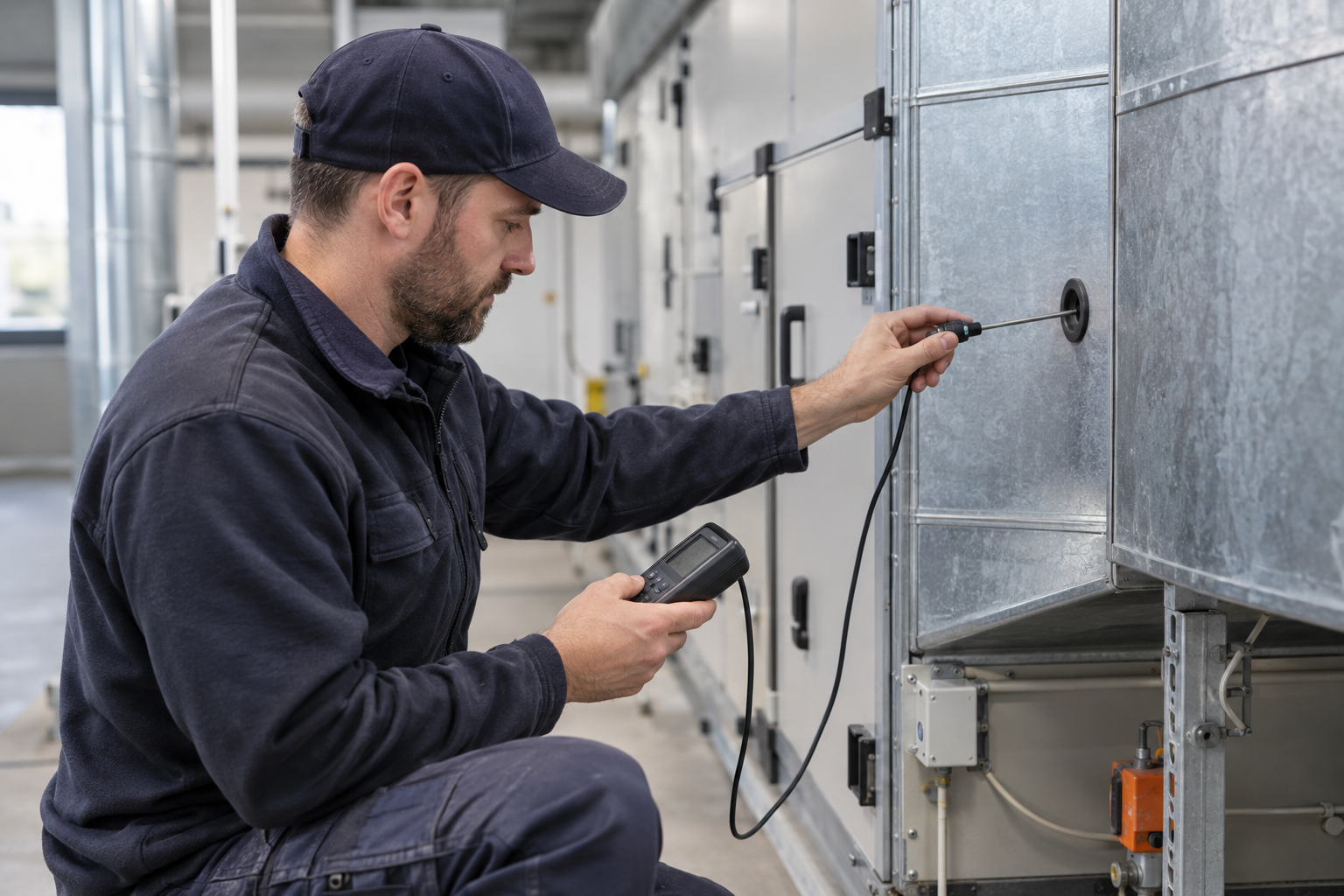
Technician inspecting rooftop HVAC equipment at an industrial facility
Commercial perspective
A cooling or climate-control investment begins with the conditions an operation needs to maintain.
For a building, the requirement may concern comfort, ventilation and energy use.
For a refrigerated warehouse, it involves product storage and daily logistics. For an industrial process, cooling can be part of the production requirement. For a data centre, the thermal system must match the equipment and operating architecture.
Each application brings a different specification, decision structure and purchasing route.
Our work connects the manufacturer’s capabilities to those requirements. We identify the relevant projects, clarify the involvement of engineering firms, contractors and operators, and gather the information needed for manufacturer-led technical assessment.
Commercial development follows the operating need, the investment process and the support arrangements required after installation.
Application landscape
We identify the building owner, facility team, engineering consultant and contractor involved in specification and purchasing.
Qualification establishes the intended use, occupancy, operating schedule and environmental requirements.
We develop opportunities around new capacity, changing product flows, recurring operating problems and planned equipment replacement.
The commercial brief distinguishes storage requirements from the cooling or freezing of incoming products.
We identify the process, operating duty, required fluid conditions and consequences of an interruption.
Buying routes can involve the industrial plant, machinery manufacturer, system builder or specialist contractor.
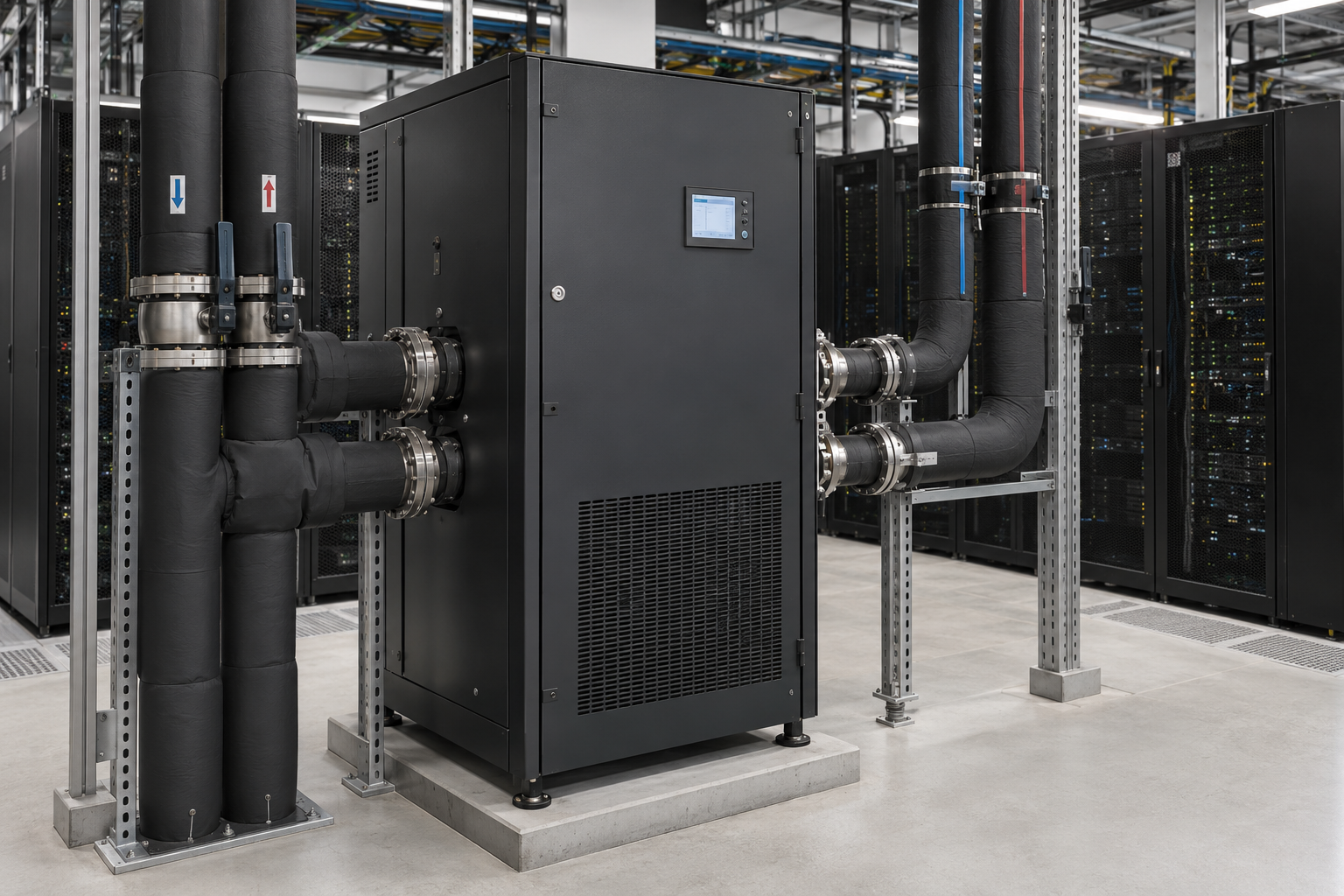
For liquid-cooled IT equipment, the facility and equipment cooling circuits can have different requirements for temperature, flow, fluid quality and condensation control. These boundaries need to be established during application assessment.
We develop engagement with the operator, technical team, consultant and contractors responsible for the relevant equipment package.
Technology scope
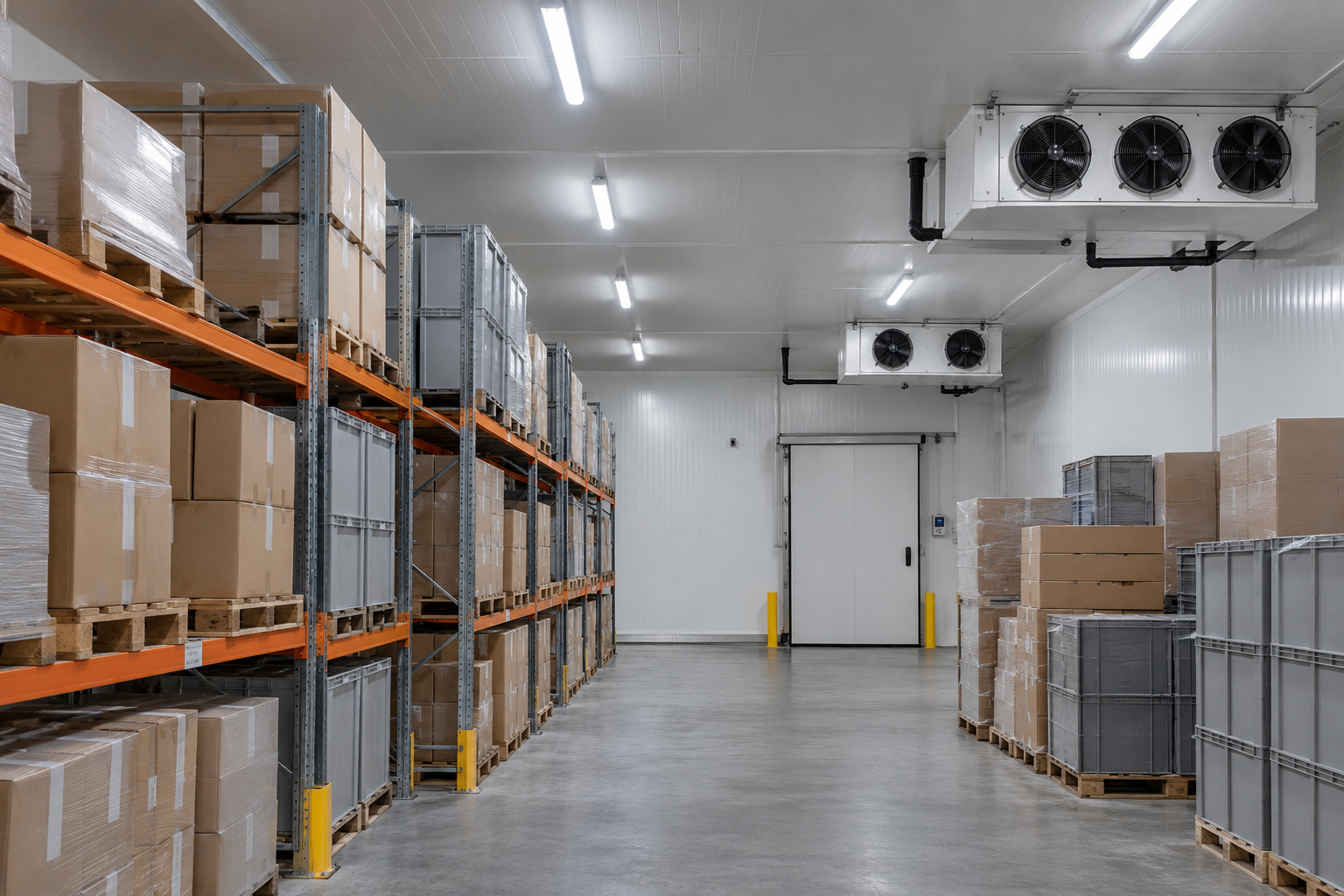
Chillers, condensing units, refrigeration packages and equipment serving cold rooms, refrigerated facilities and industrial applications.
Qualification establishes the required temperatures, thermal load, operating hours and heat-rejection conditions.
For refrigerated spaces, the load includes heat transmission, air infiltration, incoming products and internal sources such as people, lighting and handling equipment.
Product cooling and defrost requirements also affect equipment selection and available operating time.
We seek the information the manufacturer needs to assess the application, including current equipment, loading patterns, door activity and planned expansion.
The commercial route follows the project: direct plant investment, specification by an engineering firm, supply through a refrigeration contractor or incorporation into a larger installation.
Air-handling units, fans, filtration equipment and systems for supplying and treating air within defined environments.
The enquiry establishes airflow, pressure requirements, outdoor and indoor conditions, filtration needs and maintenance access.
Filter pressure drop influences fan selection and energy use.
Air-handling evaluation also needs to address leakage, component arrangement and the requirements of the intended environment.
We clarify whether the application concerns general ventilation, comfort conditioning or a more tightly controlled production environment.
Commercial development connects the manufacturer with the specifier, contractor and operator responsible for the relevant air-handling package.
Technologies for recovering useful heat, improving equipment operation and reducing energy consumption within a defined system.
For heat recovery, qualification identifies the available source, receiving demand, required temperature and timing. Chiller-based recovery needs sufficient overlap between cooling operation and useful heating demand to support its application.
We gather the operating schedules and commercial assumptions needed for supplier assessment, including additional equipment, controls and backup arrangements.
Where free cooling is proposed, the manufacturer must evaluate the relationship between ambient conditions and the required cooling temperature.
The opportunity is developed around the customer’s actual duty and an agreed basis for evaluating performance.
Equipment for maintaining defined temperature, moisture and dew-point conditions in buildings, storage areas and industrial environments.
Qualification separates the temperature requirement from the moisture-control requirement.
Condensation occurs when moist air encounters a surface below its dew point.
The application therefore needs attention to moisture sources, surface temperatures and operating conditions alongside the air-temperature target.
We seek the required operating range, acceptable variation, measurement locations and recovery conditions following disturbances such as door openings or production changes.
For specialised environments, we identify the customer’s technical approval and qualification requirements before progressing the enquiry.
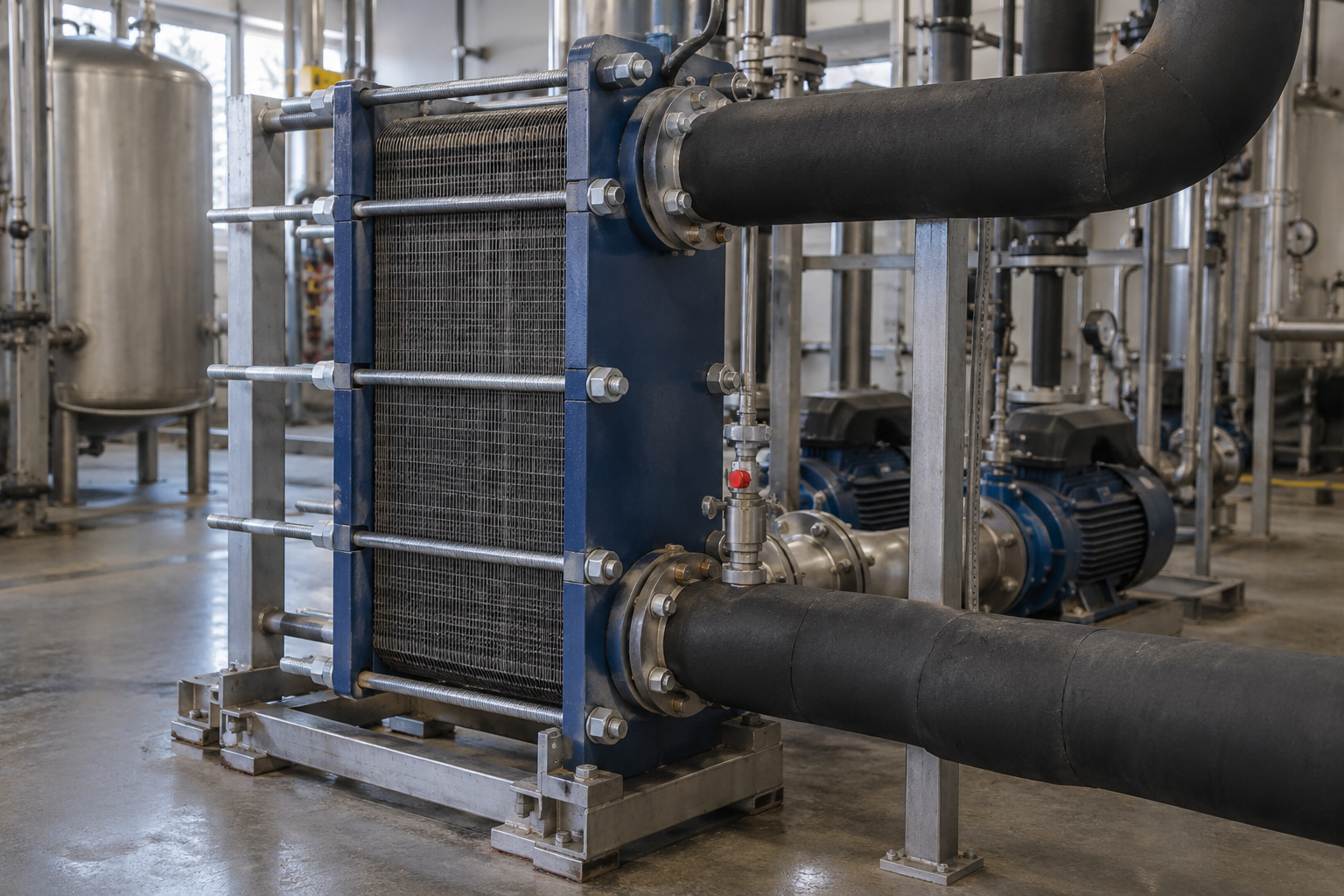
Chillers, cooling packages, heat exchangers and supporting equipment supplying cooling to machinery and industrial processes.
The commercial brief includes the thermal load, supply and return temperatures, coolant, required flow and pressure conditions.
Pump performance must satisfy the process at the design flow.
Narrow passages, long pipe runs and other hydraulic constraints can influence the required pressure, while coolant properties affect equipment selection.
We also establish operating stability, startup requirements, future capacity and the available utilities.
Account development follows the equipment’s role: cooling an installed process, supporting a plant expansion or being incorporated by a machinery manufacturer or system builder.
Controllers, sensors, supervisory software and equipment for managing climate, refrigeration and cooling installations.
We establish the required measurements, commands, schedules, alarms, trends and operating responses.
Controls integration requires defined functionality and configuration.
BACnet, for example, provides communication and interoperability capabilities, while the project still needs programming and testing against its functional requirements.
The commercial enquiry includes existing control systems, available interfaces, access requirements and responsibility for responding to alarms.
We develop opportunities with operators, control specialists, equipment manufacturers and integrators responsible for implementing the system.
Compressors, valves, heat exchangers, fans, pumps, sensors and other components supplied for defined equipment or system applications.
Qualification considers the operating envelope, refrigerant, fluid, pressure and temperature limits, connections and control requirements.
Refrigerant changes can require review of compressor approval, oil compatibility, expansion-valve arrangements, component sizing and safety controls. These checks must inform replacement and retrofit proposals.
We distinguish between incorporation by an equipment manufacturer, supply for an installation project and replacement demand from operating facilities.
For distributor development, technical knowledge, availability and support capability are considered alongside customer coverage.
Technologies supporting condition monitoring, fault diagnosis, cleaning, leak detection and verification of operating performance.
We develop opportunities around documented problems, service history and the operator’s maintenance priorities.
For heat exchangers, fouling can be influenced by flow, temperature, filtration and fluid composition.
Cleaning methods and chemicals must also suit the equipment’s materials and seals.
The commercial brief identifies the evidence available, access constraints, maintenance windows and the method proposed for assessing the result.
We connect manufacturers with the plant teams, contractors and service organisations responsible for investigating and addressing the operating problem.
Opportunity qualification
We seek the temperature, humidity or cooling-fluid requirements defined by the customer and responsible specialists.
The brief identifies where conditions must be maintained, how they will be measured and which deviations are acceptable, including their duration.
This gives the manufacturer a practical basis for reviewing the application.
We gather the available load information, duty hours, production or occupancy patterns and expected changes.
Relevant questions include peak demand, seasonal variation, startup conditions, low-load operation and future expansion.
Where further calculations or measurements are needed, we coordinate the discussion with the manufacturer and appointed technical specialists.
We clarify which equipment and energy inputs belong within the evaluation.
The discussion may include the cooling unit, pumps, fans, heat-rejection equipment, controls and other auxiliaries.
We also establish the operating conditions and measurement period so proposals can be evaluated on a consistent basis.
For replacement and retrofit projects, we identify the relevant pipework, ductwork, electrical supply, controls, available space and access.
Shutdown windows, lifting arrangements and the organisation responsible for restarting the system are included in the commercial discussion.
The proposal can then reflect the surrounding work required to put the equipment into operation.
We clarify the customer’s expectations for maintenance, backup operation, alarm response and recovery following an interruption.
The discussion identifies who owns each responsibility and what support is required during the facility’s operating hours.
These requirements inform equipment selection, partner development and commercial scope.
We establish the supplier information, factory evidence, commissioning records and installed-site checks the customer expects.
Acceptance criteria identify the relevant measurement locations, operating conditions and responsibilities for resolving outstanding items.
Energy-performance or savings commitments require a stated baseline, measurement boundary and agreed verification method.
Buyer ecosystem
We identify relevant projects, equipment packages and the stage at which the manufacturer can contribute to evaluation and specification.
Commercial qualification establishes their supply scope, approved equipment requirements, programme and technical coordination needs.
We assess application knowledge, installation responsibilities, commissioning involvement and ongoing support capability.
We connect production, engineering, maintenance, facilities and purchasing stakeholders around the operating need.
We qualify storage requirements, incoming product flows, operating patterns, investment plans and maintenance arrangements.
Commercial development follows the relevant production, quality, engineering and purchasing teams, with technical requirements established for the particular application.
We identify the responsible technical teams, consultants, contractors and procurement organisations for the manufacturer’s equipment package.
We assess customer coverage, technical competence, stock requirements and the service arrangements needed for the intended market.
European market context
Refrigerant and equipment choices must be assessed against the EU F-gas framework, including the requirements and dates relevant to the equipment category.
Prohibitions and derogations vary across applications.
Certification and training requirements also extend to certain alternative refrigerants under the updated cooling-sector framework.
Our commercial qualification establishes the proposed equipment, installation timing and local support capability for review by the responsible specialists.
EU ecodesign requirements apply to defined product families, including specified air-heating and cooling products, high-temperature process chillers and fan coils.
The applicable requirements depend on the product and its scope.
We seek the relevant product information and rating conditions needed to support the buyer’s evaluation.
The commercial discussion then connects those data with the intended operating duty and installation.
The approval route depends on the application and the customer’s quality requirements.
For medicinal-product storage, EU Good Distribution Practice guidance includes initial temperature mapping under representative conditions before use.
We identify the required documentation, monitoring arrangements and qualification responsibilities early in the opportunity, with assessment performed by the appointed technical and quality specialists.
What a mandate covers
Together, we identify the applications that justify development: new facilities, capacity expansion, replacement, retrofit, process cooling or component supply.
The result is an account strategy tied to the technology’s actual scope.
For partner development, we assess the capabilities needed to install, commission and support the manufacturer’s equipment.
Engagement follows the project stage and each organisation’s influence on the decision.
The discussion seeks to establish current conditions, operating problems, investment plans, approval requirements and timing.
Feedback becomes a structured account brief with the information available and a clear next step.
We follow questions concerning operating conditions, interfaces, installation and support so the relevant parties can resolve them.
System design, load validation, safety assessment and performance commitments remain with the responsible manufacturers and appointed specialists.
We track outstanding requirements, responsibilities and actions needed from each party.
Reporting gives the manufacturer visibility into account progress, purchasing milestones and opportunities requiring further work.
Principal markets
Spanish-language development across industrial facilities, engineering firms, HVAC and refrigeration contractors, operators and technical channels.
Account priorities follow the operating requirement, purchasing route and support needs.
Portuguese-language engagement with industrial plants, building-services organisations, refrigeration specialists and commercial partners.
Qualification connects local project requirements with the manufacturer’s technical and delivery capabilities.
French-language account and opportunity development across operators, engineering firms, contractors, installers and distributors.
We organise commercial activity around the application, specification process and decision structure.
Additional European and international mandates defined around a specific technology, application, account group or project opportunity.
Coverage follows the commercial objective, language needs and technical coordination required.
Tell us which operating conditions your technology serves, the equipment you supply and the markets you want to develop.
We can identify the relevant applications, establish the buying structure and organise the commercial work needed to progress qualified opportunities.