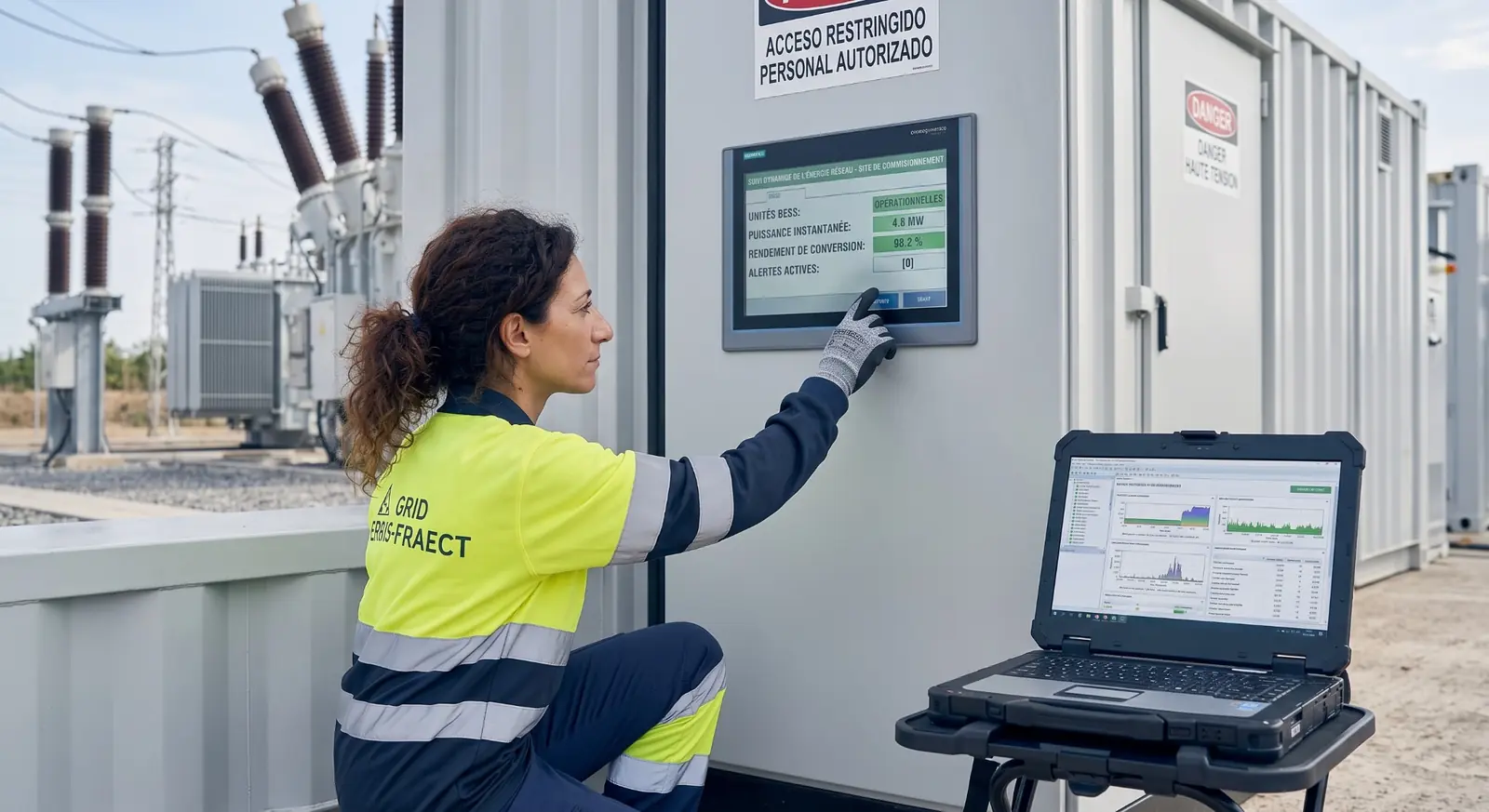
The discussion behind this example concerned an industrial software company’s need for more consistent account development and local-language outreach. It had already invested in commercial activity and wanted additional support reaching relevant organisations.
Here, we apply the same commercial questions to an industrial maintenance software provider. Its sales team needs to know how a prospect manages maintenance, where there may be a useful application for its product and who would be involved in a decision. That information gives the team a reason to take the conversation further.
Illustrative scenario adapted from a real commercial discussion. Sector and identifying details have been changed; the approach described is not a completed project.
Understanding where the software could be useful
For this example, the potential audience could include manufacturers, plant owners and organisations responsible for maintaining industrial facilities. Those categories provide a starting point for research, but they still leave considerable work to do.
Before outreach, we would need to understand which kinds of organisation fit the company’s priorities and why. We would prioritise accounts whose maintenance responsibilities create a plausible use for the software. The size of the organisation would be one consideration among others.
We would agree the ideal customer profile, review existing commercial coverage and understand the company’s own definition of a qualified opportunity. We would also discuss what a useful first few months should achieve. The answers would guide which accounts to approach and how to judge progress.
A reason to contact each account
We would prepare the account work alongside the outreach. In practice, that means preparing a reason for including an organisation before adding it to a contact sequence.
An account brief could explain the facilities an organisation operates, the possible relevance of the software and what still needs to be established. Research can suggest a fit; the conversation has to test it. Keeping those two things separate helps avoid turning an assumption into a sales claim.
The first contact would then have a clear purpose. We could explore how maintenance is organised, who is responsible for it and whether there is a current need worth discussing with the software company’s team.
Local-language communication would support this work. It would allow the prospect to describe its situation in familiar terms and help us keep a conversation moving between formal meetings.
What makes a conversation worth handing over?
The software company’s internal team would need enough information to decide whether to invest technical and commercial time. We would agree that threshold together at the start.
A practical handover could include the need as the prospect described it, the use case under discussion, the people involved, any known timetable and the next action. It should also say what remains uncertain. If no budget or buying process has been discussed, the record should make that clear.
For example, interest in a technical presentation might justify a discovery meeting. It would not, on its own, justify treating the account as an active purchase. The opportunity stage needs to reflect what the conversation has actually established.
For maintenance software, we would seek the operational teams and decision-makers involved in maintaining the assets. Their responsibilities and the need under discussion would guide the next conversation.
Staying connected to the internal sales team
The work would support the provider’s existing commercial investment. Coordination would therefore be part of the delivery, including agreement on which accounts were open for outreach and which were already being managed internally.
Before a handover meeting, the internal team would receive a brief explaining why the discussion had been arranged and what the prospect expected. After the meeting, someone would need to own the next step. That might be another conversation, a technical answer or a decision to leave the account until a more suitable time.
We would keep regular follow-up and close coordination with sales in the scope. Regular feedback would help refine the work: which conversations were useful, where qualification was incomplete and which objections or needs appeared repeatedly.
What the proposed support would give the client
The original discussion led to a proposal covering account development, outreach and follow-up. For the maintenance software example, Myralbe would take the same hands-on role in day-to-day commercial activity, with visibility over progress and difficulties.
The intended output would be a set of conversations the client’s team could understand and act on. Clear account reasoning, honest qualification and an owned next step would make that work easier to assess.
If your sales team needs support reaching technical buyers, our market development services explain the broader role. You can also tell us which accounts you want to reach and what your team needs to know before taking a meeting.