Production lines · Packaging systems
Packaging & End-of-Line
Commercial development for manufacturers improving reliable output, product quality, format flexibility and operational efficiency across packaging and end-of-line processes.
Myralbe helps manufacturers develop business in Spain, Portugal and France by identifying relevant plants, projects and partners, qualifying their requirements and progressing the commercial discussion with the organisations involved in the decision.
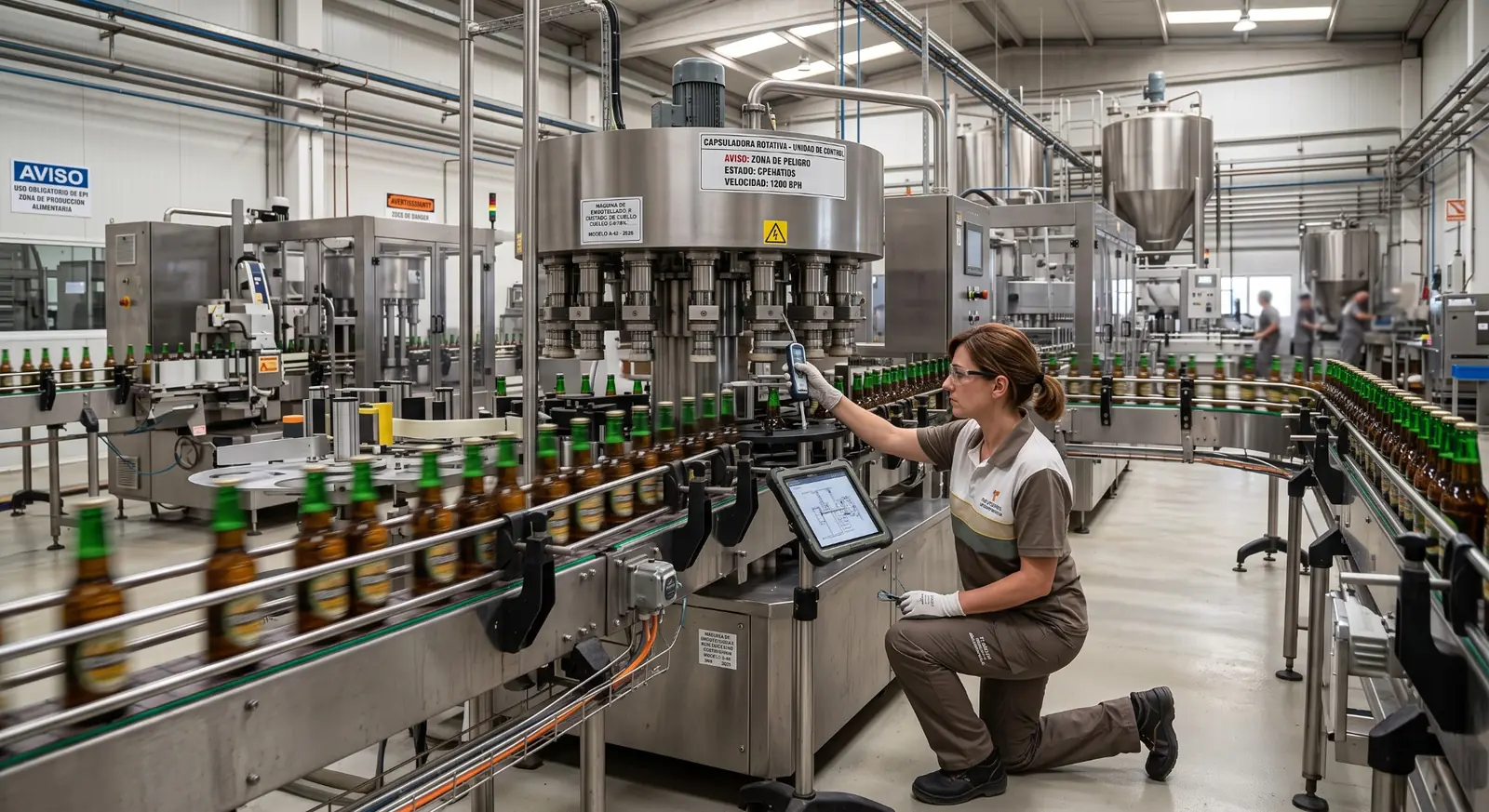
Operator monitoring an automated bottling and packaging line
Commercial perspective
A packaging investment connects the product, its packaging and the operation that must deliver it consistently.
The commercial opportunity may begin with a new product, a different container, recurring quality problems, frequent changeovers or a limitation at the end of the line.
Understanding that situation provides the basis for identifying the appropriate equipment and purchasing route.
Line assessment also needs to consider bottlenecks, production losses and packaging damage across the installation. The performance of an individual machine is one part of that wider evaluation.
Our work begins with the manufacturer’s capabilities and the applications they serve.
We identify the accounts with a credible reason to evaluate the technology, establish who influences specification and purchasing, and gather the information required for a meaningful technical discussion.
Commercial development then follows the actual decision: product and material trials, scope clarification, investment approval, proposals and negotiation.
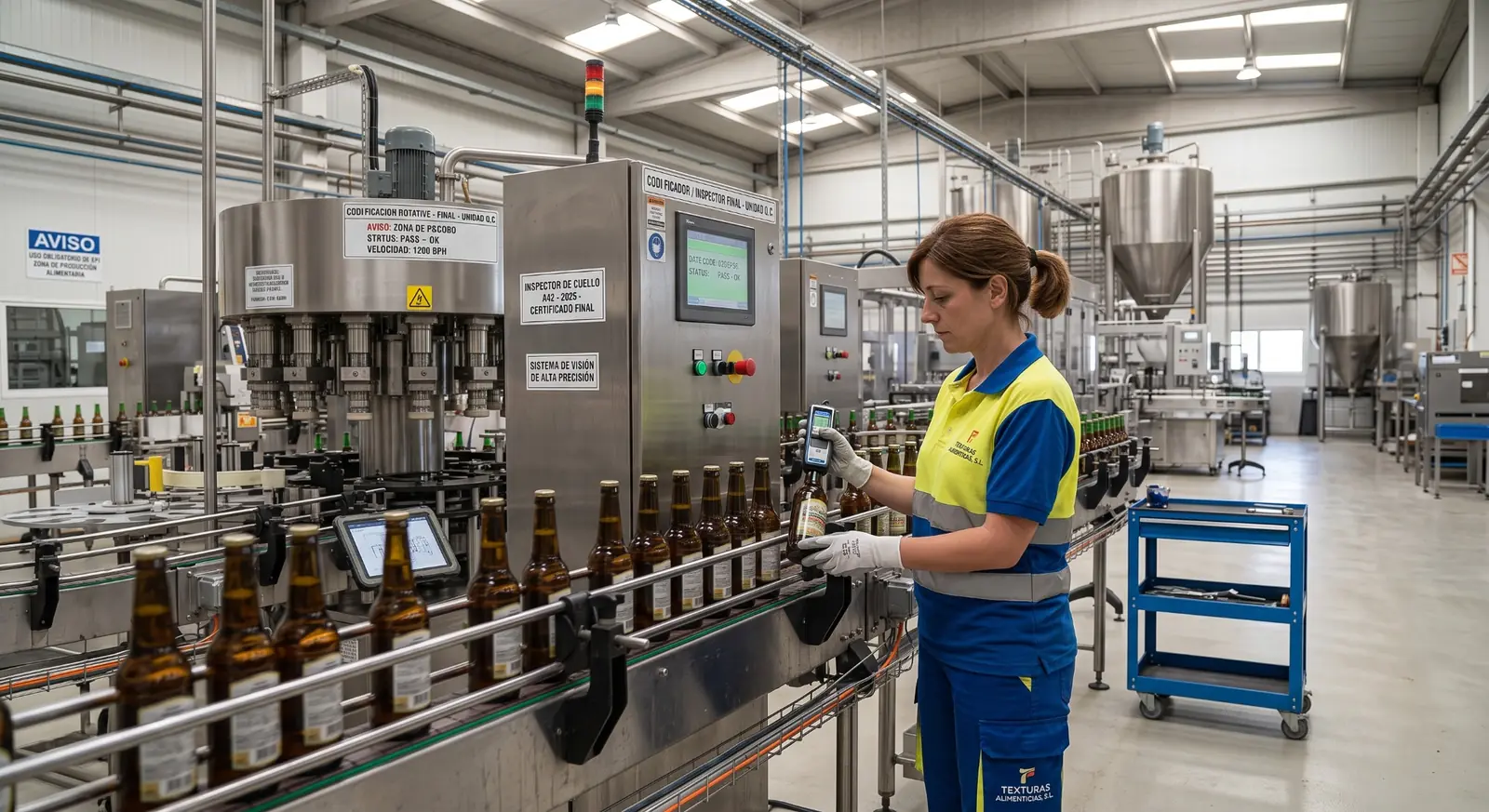
Quality-control specialist inspecting an industrial packaging line
Application landscape
We identify the production requirements, anticipated volumes and organisations responsible for approving the product, packaging and equipment.
Qualification establishes where the problem occurs, the existing operating baseline and the output the customer needs to achieve.
Changes to packaging materials can require equipment adjustments and trials under conditions representative of production. Sealing behaviour is a particular consideration in primary-packaging applications.
We clarify the existing installation, service requirements, available investment window and responsibilities for integrating the proposed equipment.
Technology scope
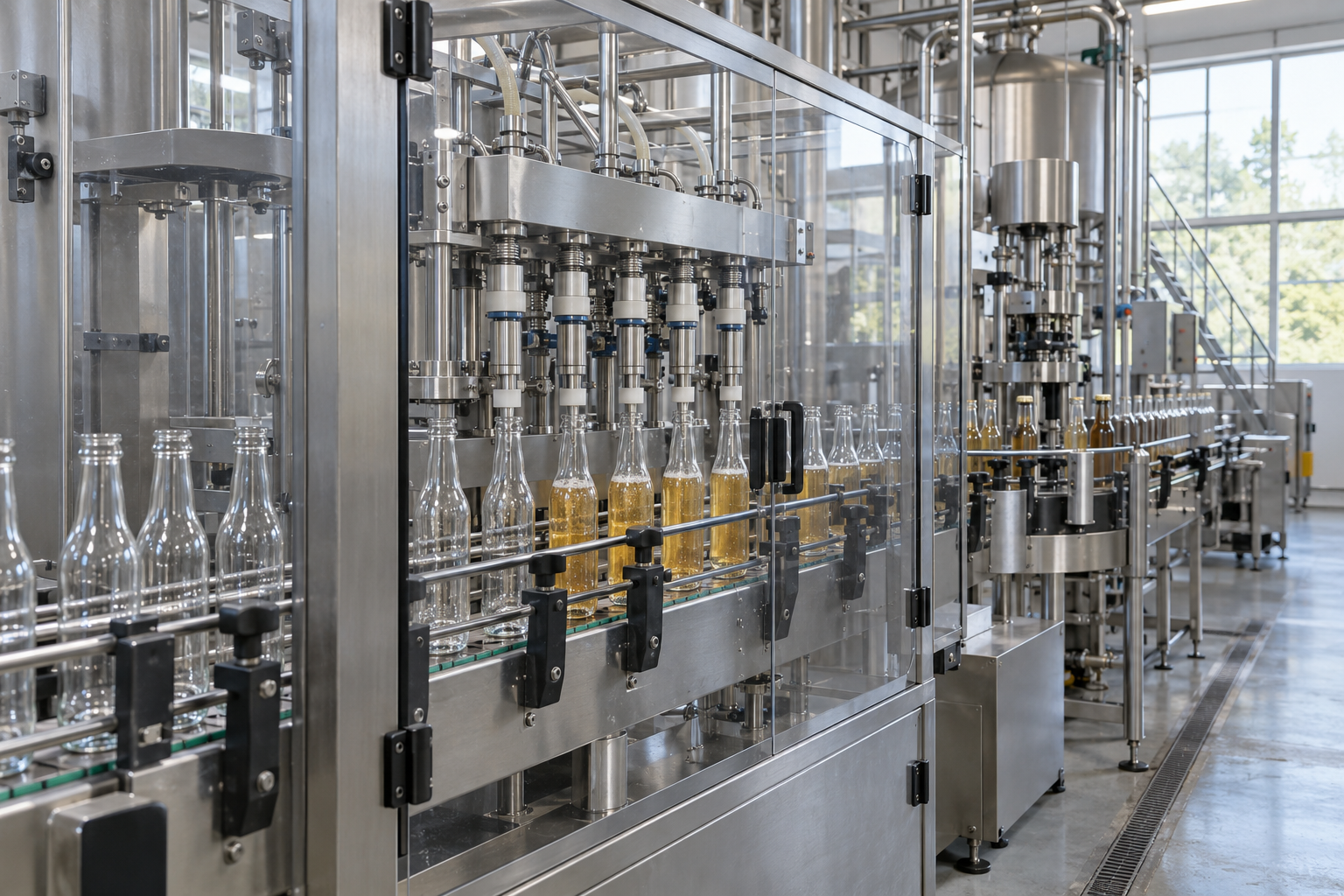
Equipment for filling, portioning, dosing, capping and closing defined products and packaging formats.
Qualification starts with the product, required quantity, tolerance, container and closure. Product behaviour matters: for example, filling more viscous liquid foods requires adaptations to the equipment and filling process.
We seek information about operating temperature, foaming, particles, powder flow where relevant, and the customer’s cleaning and hygiene requirements.
The commercial brief also establishes the format range, change parts, closure presentation and required checks.
Standard, hygienic and aseptic applications are identified separately for manufacturer review.
We develop opportunities through production sites, line integrators and machinery manufacturers incorporating filling or dosing equipment into a larger system.
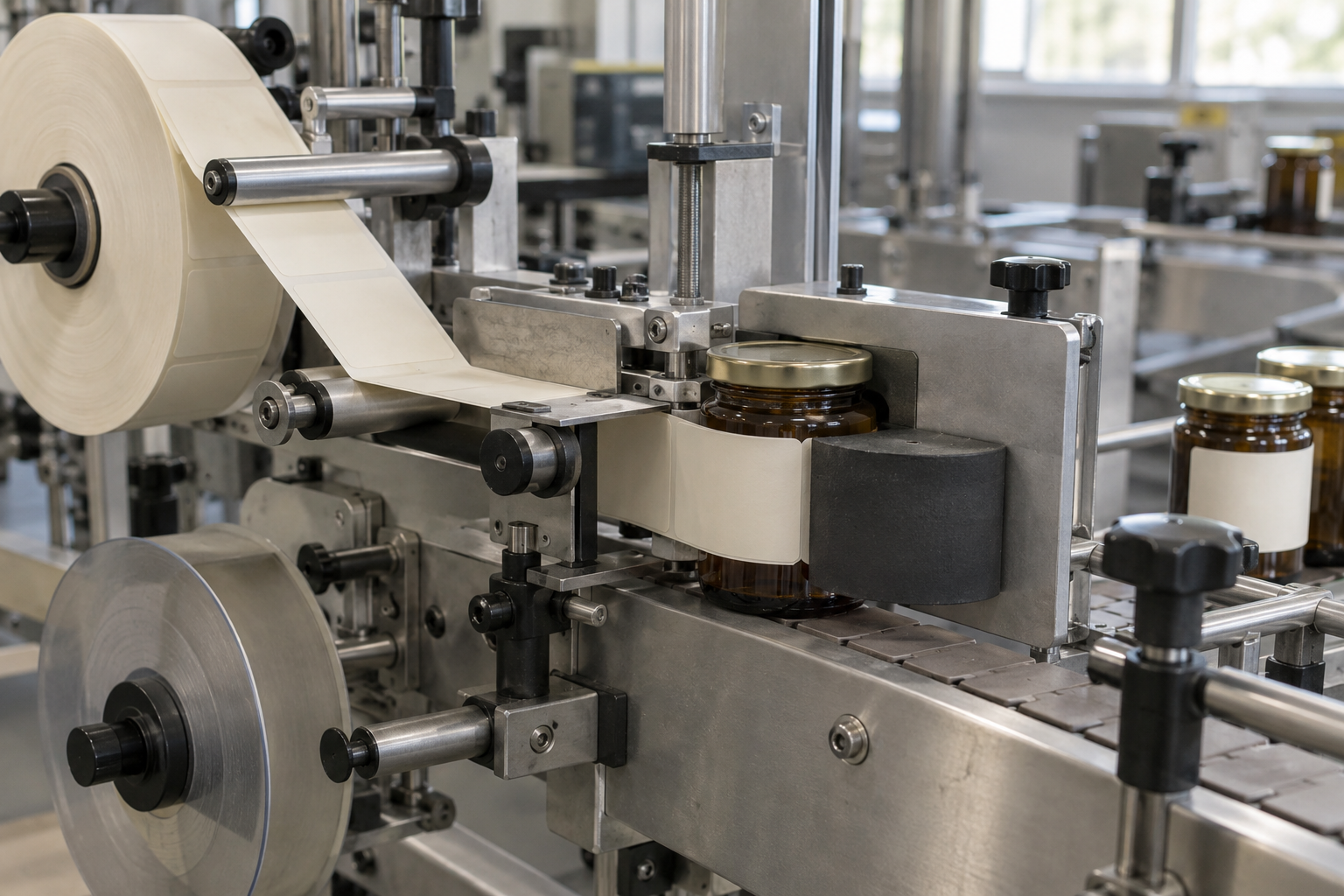
Labelling systems, industrial printers, laser marking and equipment for applying product, batch and identification information.
Selection considers the substrate, line speed, spacing between products, code content, operating environment and integration requirements. Ink adhesion and durability must match the code’s required lifecycle.
We establish the actual packaging material, print position and customer requirements for label placement, readable information and code verification.
Representative samples support evaluation of the proposed technology.
Material testing can identify differences in print quality, durability and the response of a substrate to laser marking.
Commercial routes include direct plant supply, incorporation by an OEM and integration into new or existing packaging lines.
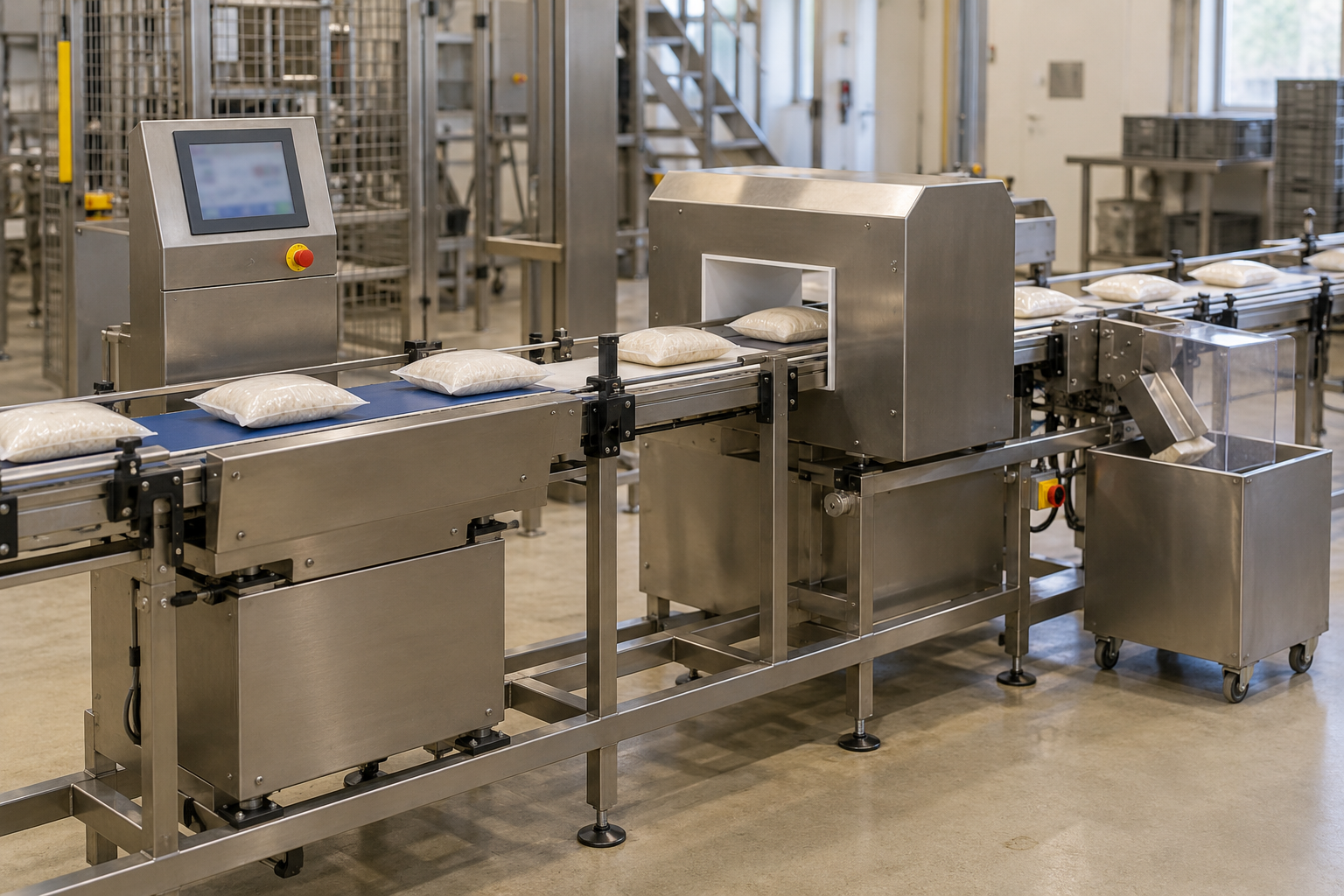
Checkweighing, metal detection, X-ray inspection, vision systems and equipment for defined packaging-quality checks.
The enquiry must specify what needs to be detected or measured. Weight, foreign material, label content, component presence and visible defects require different inspection functions.
For contaminant inspection, suitability and achievable sensitivity depend on the product, packaging and relevant contaminant.
Product presentation and the complete rejection arrangement also matter, including confirmation and segregation where required.
We clarify the acceptance criteria, test products, operating speed, false-reject considerations and response to a detected defect.
The manufacturer and customer’s quality specialists then have a defined basis for trials and performance assessment.
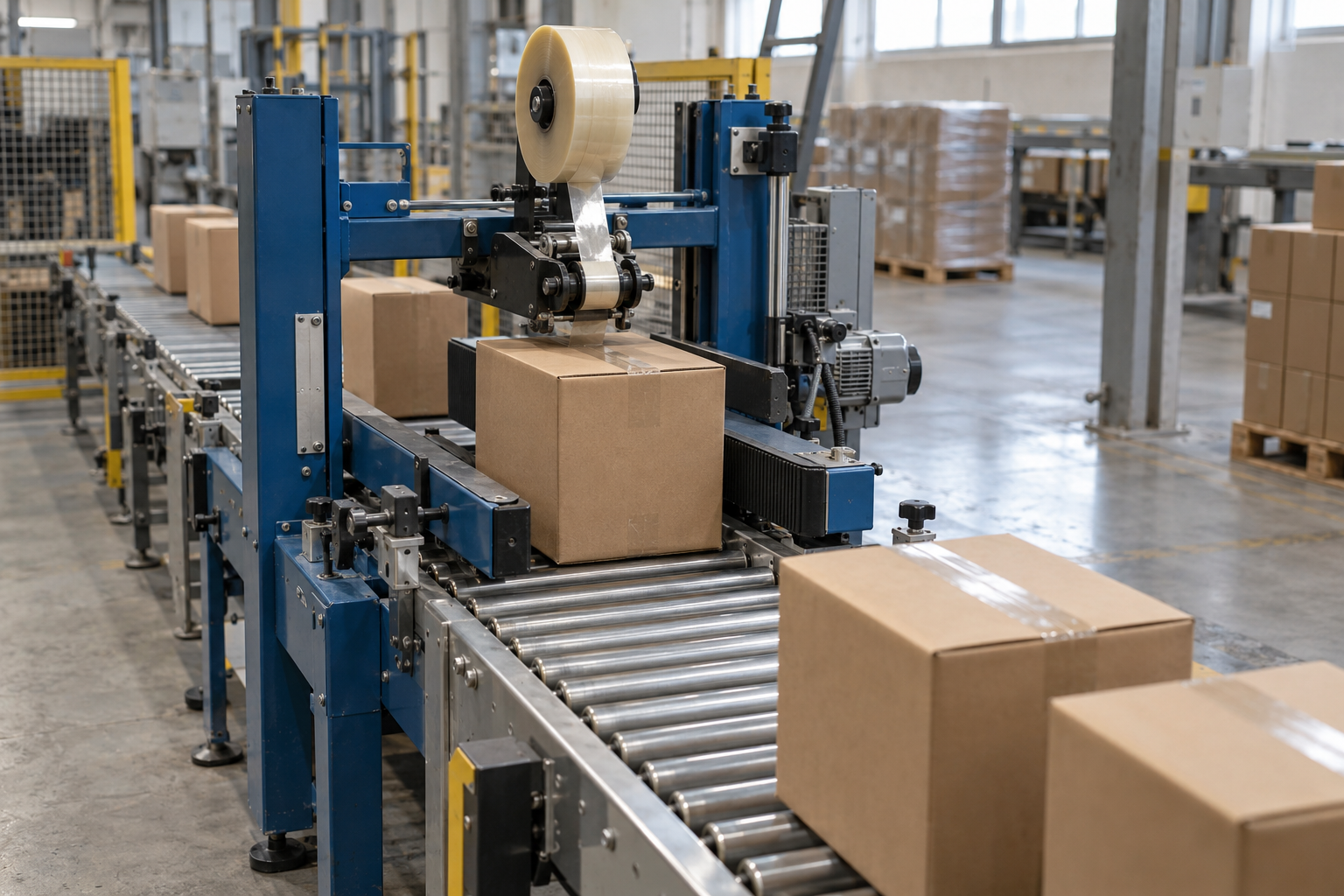
Case erectors, product grouping and loading systems, case packers, sealers and related secondary-packaging equipment.
Actual corrugated blanks and machine setup influence reliability. Variability in blanks, including their dimensions, scores and condition, can contribute to feeding and case-forming problems.
We seek the case-format matrix, representative materials, product arrangements, sealing method and required operating range.
Qualification also covers replenishment, changeovers, access and the handling of incomplete or incorrectly formed cases.
We develop accounts around the plant’s packaging operation and the integrators responsible for connecting primary packaging to case handling.
Robotic and conventional systems for arranging packaged products on pallets, removing incoming loads and preparing finished loads for handling.
Application definition includes package dimensions, pallet patterns, gripping arrangements, intermediate layers and pickup and deposit positions. These elements need to be considered together within the cell.
We also establish pallet quality, load height, product fragility, incoming-load variation and the interfaces with conveyors and internal logistics.
For finished loads, the discussion includes stability during handling and transport. Load design, packaging consistency and the securing method influence containment performance.
The commercial brief connects these requirements to the manufacturer’s supply scope and the customer’s receiving and distribution conditions.
Equipment for conveying, orienting, grouping, accumulating and transferring products, packs, cases and pallets.
Qualification considers the item being handled, its stability, surface characteristics, required orientation and movement through the line.
Accumulation arrangements must suit the combination of line speed, required capacity and container type.
Handling pressure and product protection are relevant considerations when selecting the configuration.
We identify the upstream and downstream interfaces, available space, flow variations and operating constraints.
The opportunity is developed around the required contribution to the line: transferring a new format, managing interruptions, replacing manual handling or connecting additional equipment.
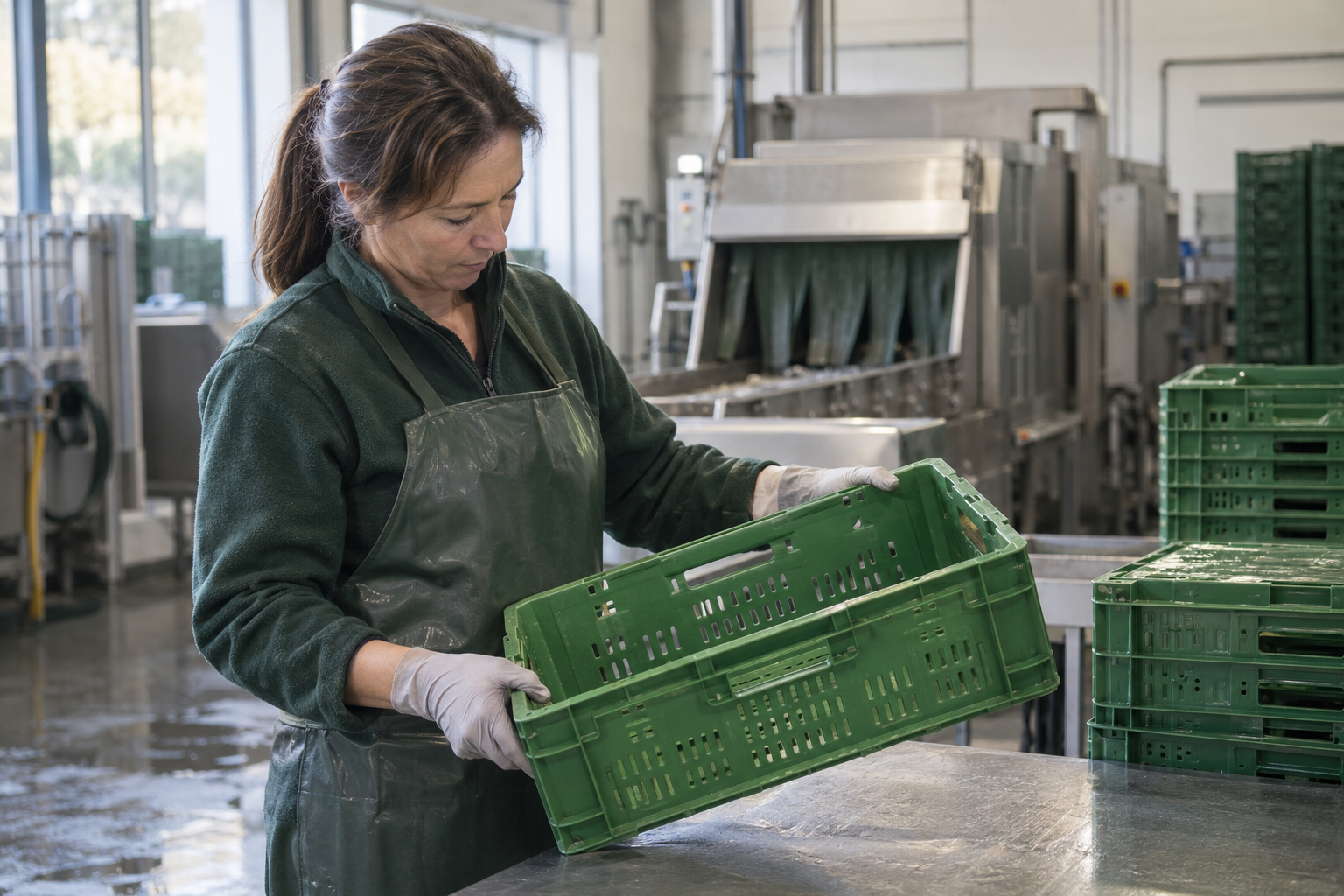
Returnable containers, crates, pallets, bulk containers, protective inserts and application-specific industrial packaging.
We qualify the product being protected, load conditions, handling equipment, storage arrangement and customer requirements.
For reusable systems, the commercial assessment includes the circulation loop: issue, return, inspection, cleaning, repair or replacement, and availability for the next use.
Established pooling operations illustrate the importance of coordinating these activities.
The discussion also covers ownership, tracking, return times, loss assumptions and compatibility with automated handling.
We develop opportunities with packaging, operations, purchasing and logistics teams, together with the organisations responsible for the return system.
Software for production monitoring, line coordination, recipe management, equipment data and application-specific traceability.
We establish the operational question the software must help answer: where output is being lost, which events require action, how a format is configured or what production information must be recorded.
Qualification includes machine interfaces, data availability, event definitions, good and rejected counts, user responsibilities and connections to existing production systems.
PackML provides defined machine behaviours that can support consistency across equipment from different manufacturers. Project-specific interfaces and functionality still need to be established.
Commercial development connects the software supplier with the plant, OEM or integrator responsible for implementing and using the system.
Opportunity qualification
We gather the current and intended products, packaging specifications and representative samples.
The brief identifies the formats the customer uses regularly, those used occasionally and any planned additions. Batch sizes and changeover frequency help define the operating requirement.
This gives the manufacturer a clearer basis for assessing tooling, adjustments and the proposed equipment configuration.
We clarify whether the customer is discussing machine cycles, filled containers, accepted packs, completed cases or finished pallets.
The evaluation period and operating conditions are also defined: product mix, staffing, material supply, scheduled cleaning, changeovers and the treatment of rejected output.
Performance comparisons can then use an agreed boundary and a consistent basis.
We seek evidence of the current limitation: stoppages, jams, rejects, manual intervention, waiting for material or congestion elsewhere in the line.
Where detailed diagnosis is needed, we coordinate discussion with the manufacturer or relevant technical specialist.
The commercial objective is to establish whether the proposed equipment addresses the problem the customer is prepared to invest in solving.
For existing plants, we identify relevant controls, transfer points, utilities, access, space and installation windows.
We establish who coordinates the equipment suppliers, line modifications, restart and customer acceptance.
The quotation can then distinguish the machine or package being supplied from the surrounding work required to put it into operation.
We clarify representative products and materials, test formats, operating conditions and acceptance criteria.
Where agreed, factory acceptance testing and site acceptance testing are treated as separate stages, with clear responsibilities and a record of outstanding items.
For pharmaceutical applications, qualification and validation requirements are established with the customer’s responsible specialists. EU GMP guidance provides a framework for these activities.
The commercial discussion covers change parts, consumables, maintenance, spare-parts availability, training and service arrangements.
We seek clarity on what support the plant requires locally and what the manufacturer, integrator or distributor can provide.
These requirements inform both account selection and the route to market.
Buyer ecosystem
We identify the production need, investment owner, engineering involvement and purchasing process.
We connect production, packaging development, quality, maintenance and purchasing stakeholders around the application.
Commercial qualification establishes the relevant operating conditions and the technical approval process.
We develop engagement around project architecture, interfaces, supplier responsibilities and equipment packages.
We assess opportunities for technical incorporation, project supply and repeat business.
We identify when the manufacturer can contribute to application evaluation and specification development.
We establish their influence on equipment approval, material trials and the adoption of new packaging configurations.
We assess their application knowledge, customer coverage, service capability and commercial fit with the manufacturer.
European market context
The EU Packaging and Packaging Waste Regulation began applying on 12 August 2026, with requirements introduced on a phased basis.
Further measures concerning recyclability, recycled content, packaging reduction and reuse follow according to the relevant provisions and timelines.
For equipment manufacturers, the commercial implication is application-specific: establish which packaging changes the customer intends to make, when they are planned and what trials or equipment adaptations are required.
Food-contact materials are subject to the EU framework under Regulation (EC) No 1935/2004, together with applicable material-specific measures.
For plastics, compliance assessment includes intended conditions of use and relevant migration requirements.
We seek clarity on the materials, intended application and supporting documentation required by the customer, with technical assessment handled by the responsible parties.
Packaging projects need defined responsibilities for equipment supply, integration, safety and conformity.
The Machinery Regulation (EU) 2023/1230 becomes generally applicable on 20 January 2027, replacing the current Machinery Directive framework. The relevant placing-on-the-market date must inform project preparation.
We clarify the manufacturer’s supply boundary and the involvement of the party responsible for the integrated installation.
What a mandate covers
Together, we identify the applications that justify commercial development: new products, material changes, plant upgrades, replacement demand or incorporation by an OEM.
The result is an account strategy tied to the manufacturer’s actual capabilities.
For channel development, we assess the distributors or partners needed to support the intended customer base.
Engagement follows the stage at which each organisation can influence the decision.
Discussions seek to establish the product, packaging, current constraint, planned investment, decision process and required timing.
Account feedback becomes a structured commercial brief with a clear next step.
We follow the exchange between production, packaging, quality and engineering stakeholders so technical questions receive attention.
The manufacturer and appointed specialists provide the design, technical assessment and performance commitments.
We track outstanding requirements, responsibilities and the next action needed from each party.
Reporting gives the manufacturer visibility into account progress, objections, purchasing milestones and opportunities requiring further work.
Principal markets
Spanish-language development across production sites, packaging teams, engineering firms, line integrators, OEMs and technical channels relevant to the manufacturer’s products.
Priorities follow the application, purchasing structure and support requirements.
Portuguese-language engagement with manufacturers, plant teams, equipment builders and commercial partners.
Qualification connects local production requirements with the supplier’s technical and delivery capabilities.
French-language account and opportunity development across producers, packaging operations, engineering organisations, integrators and distributors.
We build the commercial activity around the product, format, investment stage and decision structure.
Additional European and international mandates defined around a specific equipment family, application, account group or project opportunity.
Coverage follows the commercial objective and coordination required.
Tell us which products and packaging formats your technology serves, the operating requirements it addresses and the markets you want to develop.
We can identify the relevant accounts, establish the buying structure and organise the commercial work needed to progress qualified opportunities.