Components · Subsystems · OEM integration
Industrial Components & OEM Solutions
Market development for component and subsystem manufacturers seeking machinery builders, industrial OEMs, integrators and specialised distributors.
Myralbe helps manufacturers identify relevant applications, engage engineering and purchasing teams, and develop opportunities through product evaluation, supplier qualification and commercial negotiation.
Our work connects the product’s technical value with the design requirements, production needs and supply arrangements that shape purchasing decisions in Spain, Portugal and France.
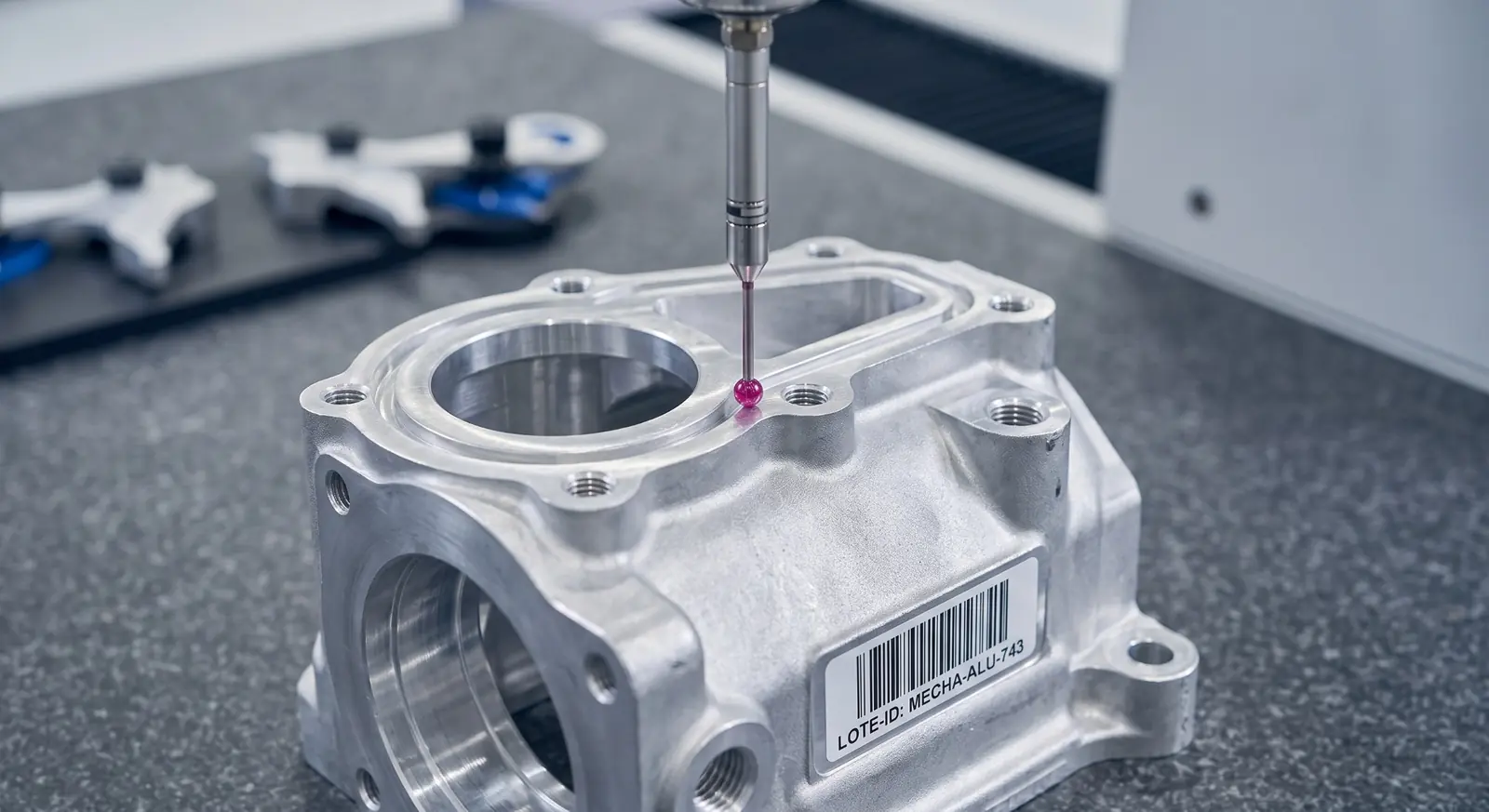
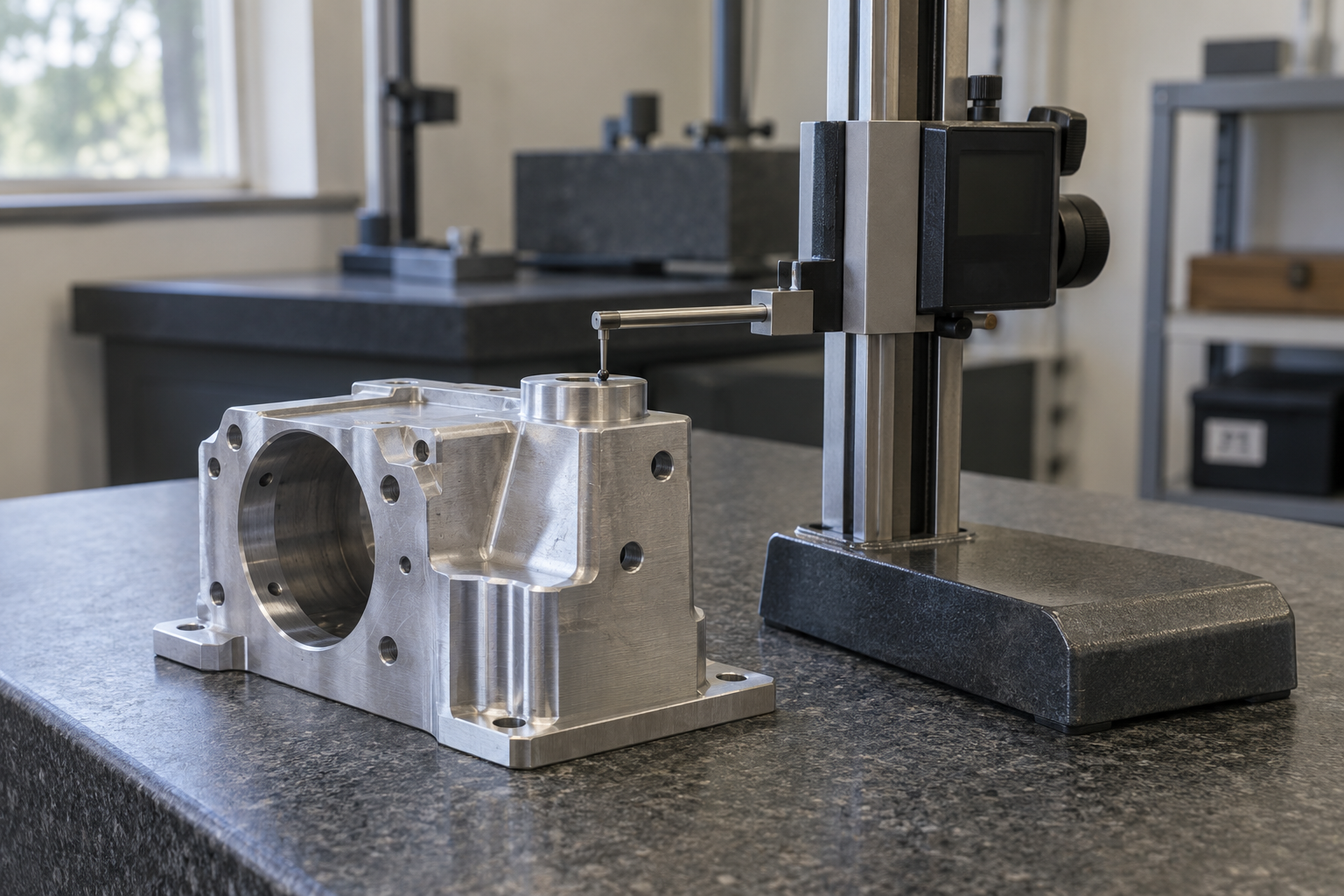
Precision dimensional inspection of a manufactured industrial component
Commercial perspective
A component becomes commercially relevant when it addresses a defined requirement within the customer’s equipment, product or manufacturing process.
That requirement may concern motion, measurement, fluid control, connectivity, dimensional accuracy, assembly time or the availability of a dependable supply source.
The route to adoption involves several responsibilities. Engineering evaluates application fit. Purchasing assesses price and supply conditions. Quality establishes acceptance requirements. Manufacturing considers how the product will be handled, assembled and used in production.
We identify the organisations with relevant applications, establish who influences selection and purchasing, and develop the relationship around the customer’s actual decision process.
Commercial follow-up connects technical discussions with sample evaluation, qualification requirements, quotations and production decisions.
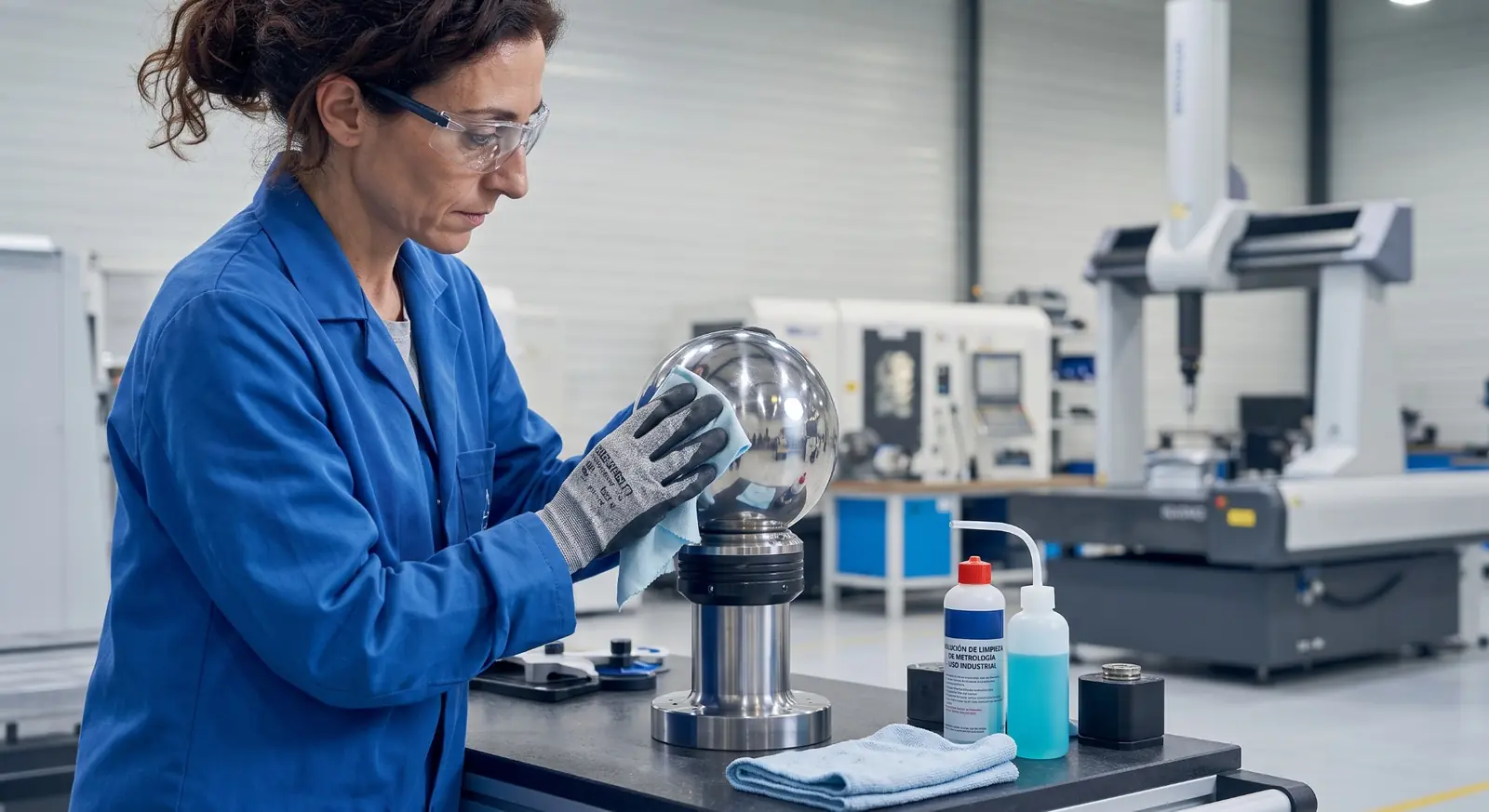
Quality specialist inspecting a precision-manufactured component
Application focus
We identify relevant development programmes, the engineering teams involved and the timing of component selection.
Engagement focuses on application information, technical discussions and the samples or documentation needed for evaluation.
We qualify the proposed change, the affected interfaces and the customer’s approval process.
The account strategy follows the specific design revision and the commercial reason for introducing a different component or subsystem.
We establish the specification, the reasons for considering an alternative and the evidence needed to evaluate it.
The customer’s engineering and quality teams determine the required assessment, including any tests or approvals needed before purchasing can proceed.
We clarify the development scope, technical responsibilities, tooling requirements and expected production demand.
Commercial development then follows the agreed route from requirements review through samples, approval and supply arrangements.
Technology scope
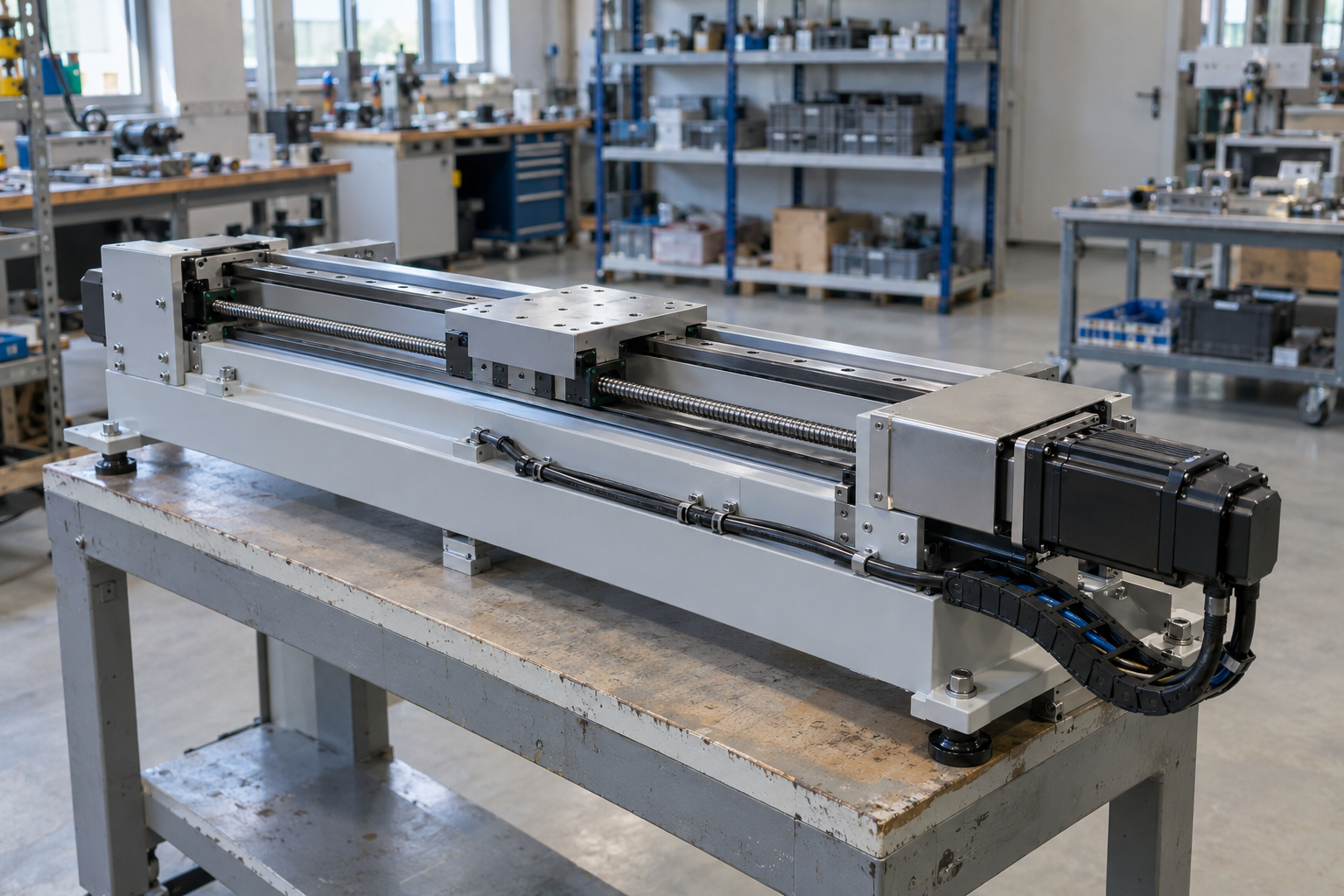
Electric motors, gear units, geared motors, servo systems and variable-speed drives incorporated into machinery and industrial equipment.
Selection depends on the required motion and operating duty. Drive-selection documentation considers output speed, torque, load cycles, regenerative operation and installation conditions.
We qualify the application, mechanical interfaces, control requirements and expected production demand, then coordinate discussions with the manufacturer’s application specialists.
Relevant accounts include machinery builders, automation-equipment manufacturers and OEMs developing or revising motion systems.
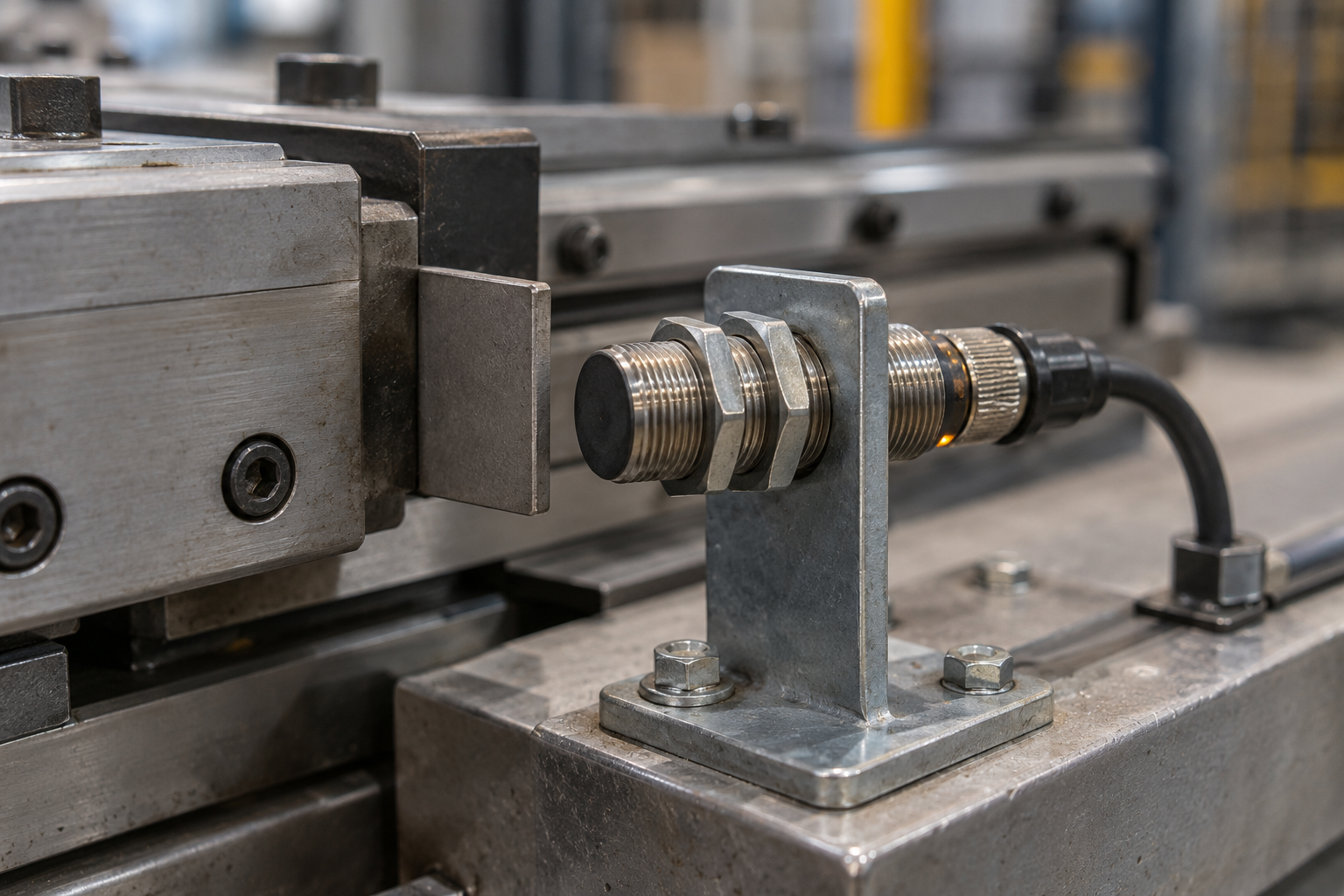
Products used to detect position, measure process conditions, monitor equipment or perform a defined movement or control function.
We establish what must be measured or actuated, the required performance, mounting arrangement, electrical connection and operating environment.
For connected devices, integration also requires usable device information.
An IO-Link device description, for example, identifies parameters, process data, diagnostics and communication characteristics used in configuration and operation.
Account development focuses on the engineering teams and integration partners responsible for selecting and implementing the device.
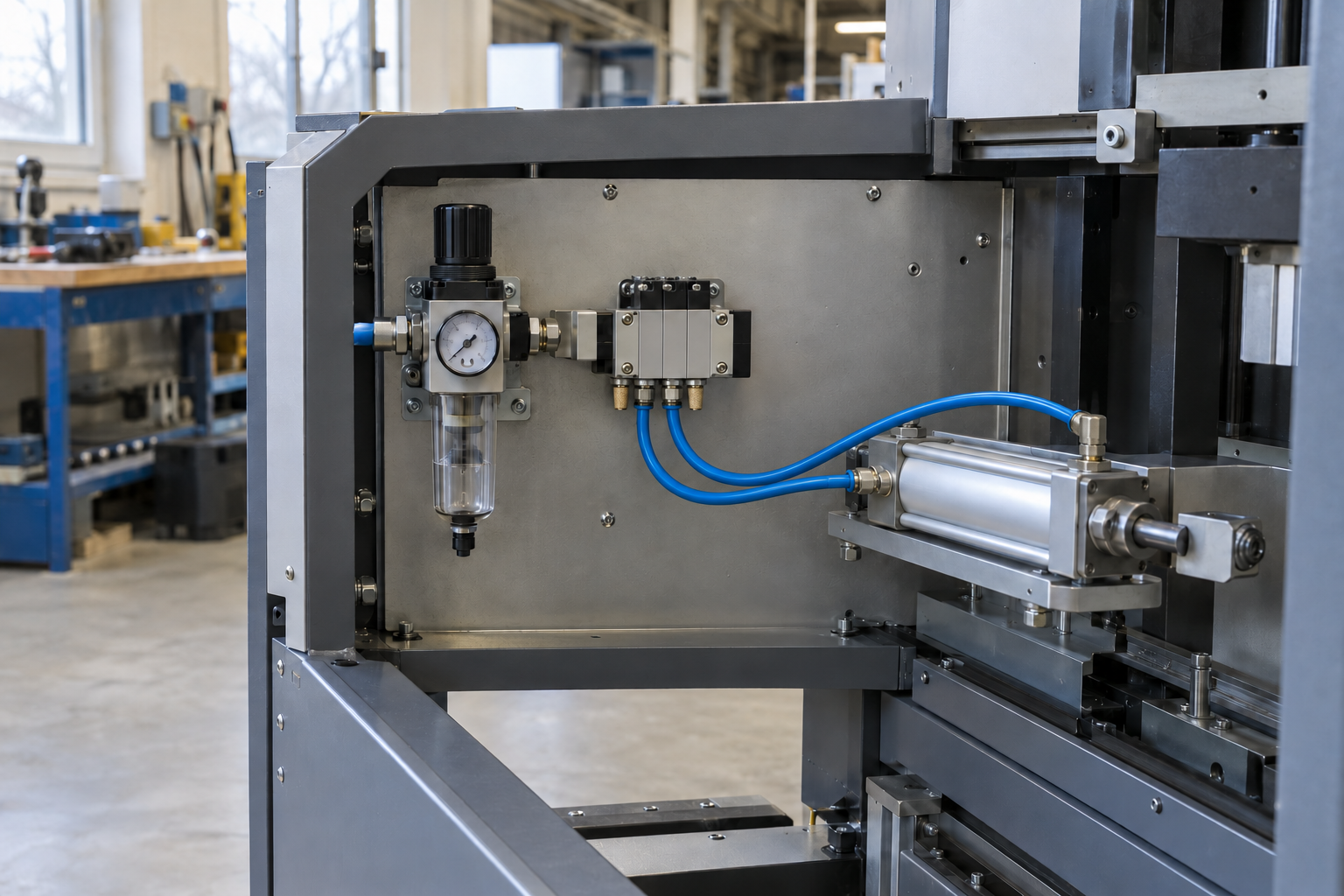
Components and subsystems controlling, moving or conditioning liquids and gases within machinery and process equipment.
Qualification covers the process medium, required flow or control function, operating pressure and temperature, connections and material requirements. Valve materials and seals must be assessed against the substances and conditions they will encounter, including relevant cleaning cycles.
For centrifugal pumps, the selected design point and actual operating point can differ because of fluid properties, system characteristics and control conditions.
We develop opportunities around the defined application and coordinate technical assessment with the manufacturer.
Connectors, power supplies, switching devices, protection products, electronic modules and associated components used within industrial equipment.
We qualify the required electrical function, ratings, physical interfaces, installation environment and the documentation requested by the OEM.
Commercial development also considers purchasing quantities, product identification, available variants and the manufacturer’s arrangements for product changes and continued supply.
Relevant accounts include electrical-equipment manufacturers, machinery builders, electronics developers and specialised distribution channels.
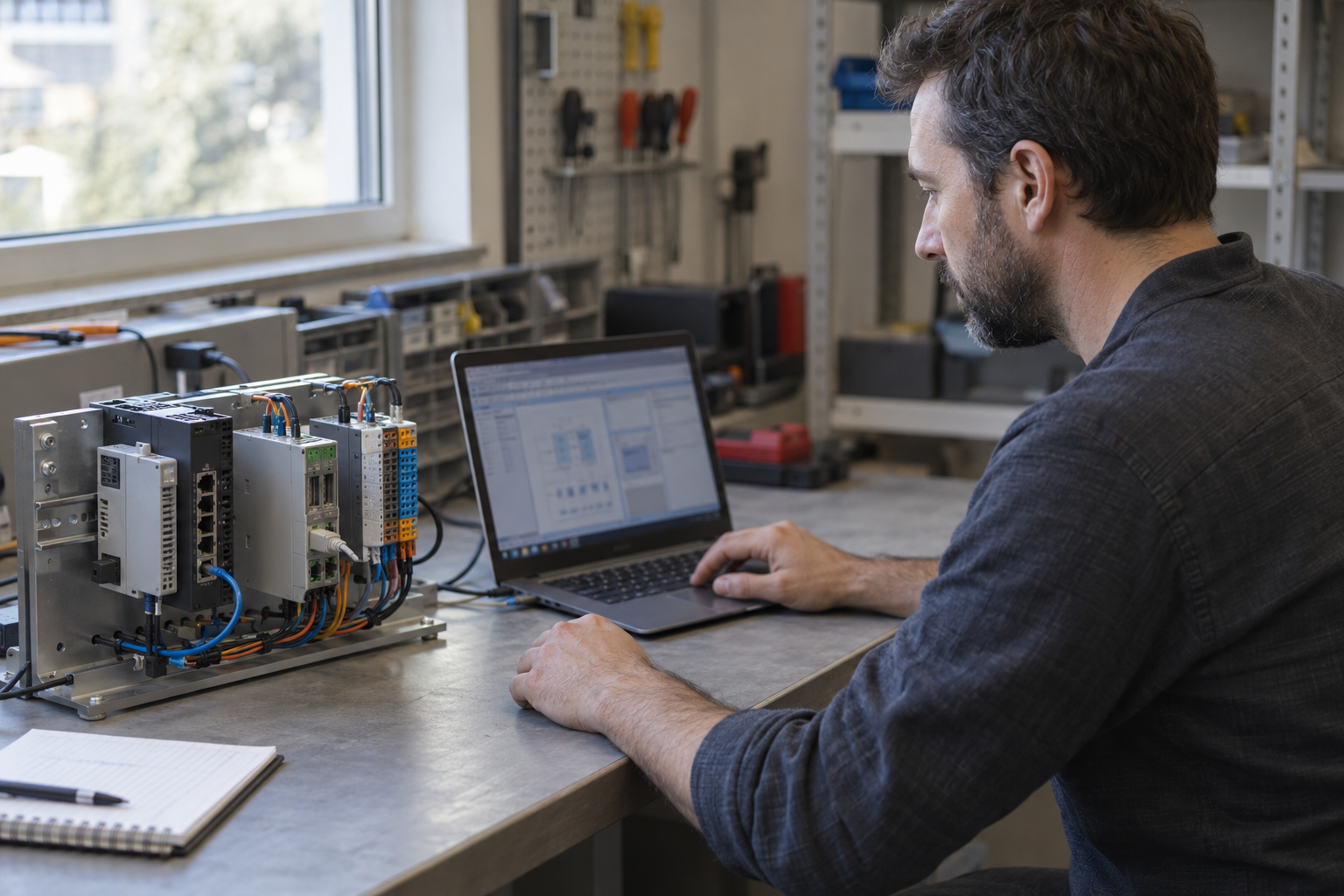
Controllers, input and output modules, gateways, communication interfaces and embedded systems supporting machine operation and data exchange.
We identify the control architecture, required functions, available interfaces and responsibilities for configuration and software integration.
Effective integration requires the relevant data to reach the application in a usable form.
IO-Link’s integration guidance, for example, addresses measured values, setpoints, parameters, diagnostics and master configuration through the application interface.
Account development connects the manufacturer with OEM engineering teams and integrators able to incorporate and support the proposed system.
Bearings, couplings, shafts, gears, housings, precision parts and assemblies incorporated into industrial machinery.
Application requirements may involve dimensional geometry, surface finish, material properties and behaviour under operating loads. These characteristics also determine the inspection information needed to evaluate the component.
We establish the relevant drawing or product specification, revision status, critical characteristics and acceptance information requested by the customer.
Commercial engagement follows the OEM’s component-selection, sample-review and purchasing process.
Equipment supporting machine functions such as lubrication, cooling, vacuum generation, compressed-air preparation and related services.
We qualify the function being supported, required capacity, available utilities, installation space and access for routine service.
The commercial case may concern easier incorporation, improved functionality, reduced assembly work or more practical maintenance arrangements.
We identify machinery builders and integration partners whose equipment has a defined requirement for the proposed auxiliary product.
Adapted components, manufactured parts, specialist materials and assemblies developed around a customer’s requirements.
We establish whether the proposal concerns a modification to an existing product, manufacture to a supplied drawing or a jointly developed solution.
Qualification covers material specifications, dimensions, interfaces, development work, tooling and the evidence required for acceptance.
Commercial discussions also address ownership of supplied designs and tooling, permitted use of technical information, development charges and the conditions for subsequent production orders.
Opportunity qualification
We establish where the component will be used, the requirement it addresses and whether the customer is developing a new design or evaluating a change to an existing product.
We also identify which choices remain open, when the design is expected to be fixed and who can authorise component selection.
We identify the customer’s required stages, which may include document review, samples, prototype testing, pilot production, supplier qualification and production release.
Each stage is tracked against the responsible person, requested evidence and agreed next action.
Sample acceptance, supplier registration and approval for production are recorded as distinct milestones.
We qualify the specifications, inspection records, traceability information and quality arrangements requested by the account.
Requirements are established for the particular customer and application. Festo’s supplier guidance, for example, treats supplier process capability and the quality of supplied components as integral to its product and process quality.
The manufacturer provides the relevant technical and quality evidence; Myralbe coordinates its exchange and the associated commercial follow-up.
We establish estimated demand, order quantities, purchasing frequency, lead times and stock expectations.
Where forecasts or scheduled releases are involved, we clarify how those arrangements relate to committed orders and delivery requirements.
Qualification also considers production capacity, peak demand and the customer’s expectations for replacement or service parts.
We develop the quotation around the actual supply scope.
Relevant factors may include volume pricing, minimum order quantities, development costs, tooling, packaging, transport, payment terms and the handling of nonconforming deliveries.
The objective is a proposal the manufacturer can fulfil and the customer can assess against its purchasing requirements.
We establish how the manufacturer communicates changes to the product, manufacturing process or supply status.
In electronic components, formal notification processes address changes affecting form, fit, function, quality or reliability, alongside product discontinuation.
For each account, we identify who receives that information, who evaluates its implications and what review or approval the customer requires.
Buyer ecosystem
We identify relevant machine families, development activity and component-selection responsibilities.
Engagement connects the manufacturer’s offer with the machinery builder’s design requirements, production arrangements and commercial priorities.
We map product engineering, purchasing, quality and production responsibilities, then establish the route for evaluating and approving a new supplier or product.
Account development considers both the immediate application and the potential for supply across additional models or programmes.
We engage around a precise application, providing a route to the manufacturer’s technical information and application support.
Follow-up focuses on open requirements, interface questions, sample requests and the evidence needed for an engineering decision.
We qualify their applications, preferred architectures, project responsibilities and capacity to implement the proposed technology.
Commercial development considers integration effort, technical support, commissioning needs and opportunities for repeat use across projects.
We identify the relevant product ranges, component requirements and purchasing teams.
Engagement addresses electrical and physical interfaces, assembly requirements, documentation, product availability and the arrangements needed for recurrent supply.
We assess customer coverage, application knowledge, technical sales resources and the ability to support the manufacturer’s products.
Partner development includes positioning, training, stock expectations, enquiry handling and coordination on applications requiring manufacturer involvement.
We qualify the supplier-onboarding process, purchasing authority, contractual expectations and the account’s priorities for cost, quality and delivery.
Commercial discussions are coordinated with the engineering and quality decisions required for the proposed product.
These specialists may work within OEMs, integrators, distributors or manufacturers’ technical teams.
We identify their role in the opportunity and organise focused discussions around the application, supporting evidence and unresolved technical questions.
Product and integration responsibilities
The documentation required for a supplied product depends on its classification, intended use and applicable legislation.
CE-marking requirements apply to covered product categories. The commercial description “component” or “subsystem” does not, by itself, establish the conformity route.
We identify the documentation the customer requests and coordinate the relevant questions with the manufacturer and the customer’s responsible technical teams.
For products supplied as partly completed machinery, the current Machinery Directive requires relevant technical documentation, assembly instructions and a declaration of incorporation.
The completed-machine manufacturer has responsibilities for the final machine’s risk assessment and conformity.
We clarify the supply boundary, the information needed for incorporation and the organisations responsible for each assessment. For programmes spanning the European machinery regulatory transition, the applicable framework is considered alongside the intended market-placement date.
What a mandate covers
Account selection focuses on companies with a credible technical and commercial reason to evaluate the product.
The account map establishes who influences selection, who approves the product and supplier, and who controls the commercial decision.
Discussions establish current requirements, design activity, supplier needs and the account’s willingness to evaluate the manufacturer’s offer.
Sample requests and technical questions are coordinated with the manufacturer’s responsible teams.
Progress is recorded through identifiable actions such as requirements review, sample evaluation, quotation, supplier assessment, negotiation and production purchasing.
Principal markets
Spanish-language commercial development across machinery manufacturers, industrial OEMs, integrators and specialised distributors.
Account selection follows the manufacturer’s applications, the customer’s design and purchasing responsibilities, and the local support needed to develop the opportunity.
Native-language account development across the Portuguese industrial and OEM ecosystem.
We identify relevant manufacturers, engineering stakeholders and supply partners, then develop engagement around defined component requirements and purchasing opportunities.
French-language commercial development with machinery builders, equipment manufacturers, technical channels and industrial purchasing teams.
Engagement follows the account’s application requirements, qualification process and commercial decision structure.
Additional European and international mandates assembled around the manufacturer’s products, target applications and commercial objectives.
Coverage is defined by the opportunity and the resources needed to develop the relevant accounts and supply relationships.
Identify the manufacturers that can incorporate your products, engage the people responsible for selection and purchasing, and maintain commercial follow-up through evaluation and production decisions.
Discuss your technology, target applications and market priorities with Myralbe.