Water · Resource recovery · Process performance
Water, Recycling & Industrial Processes
Market development for technologies that move, treat, separate and recover water and materials in utilities and industrial operations.
Myralbe helps manufacturers develop business in Spain, Portugal and France by connecting their technologies to relevant applications, qualified accounts and the organisations involved in specification, purchasing and operation.
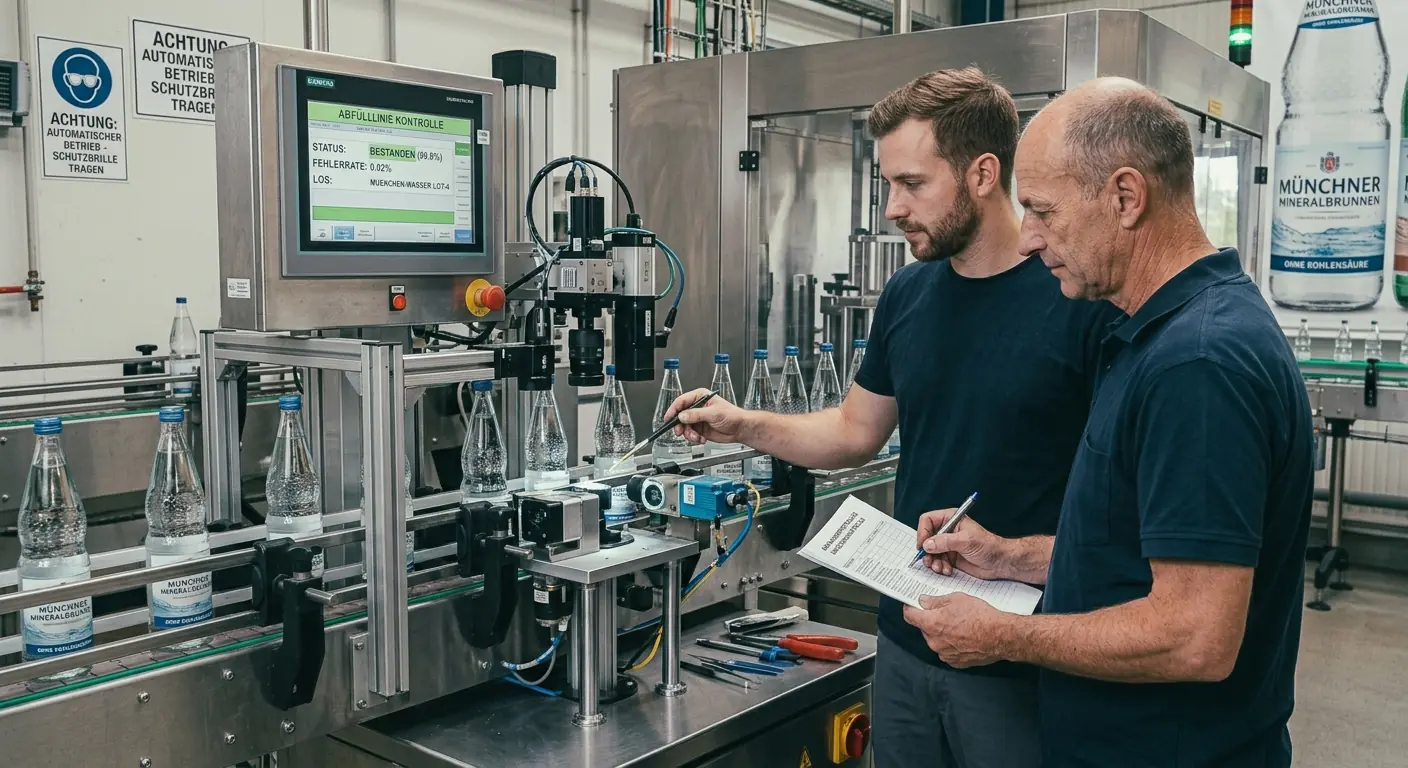
Technical specialists testing equipment used in an industrial process environment
Commercial perspective
A process technology becomes commercially relevant when its capabilities match the conditions of a specific operation.
For water treatment, that means understanding the incoming water, the required output and the existing treatment stages.
For recycling, it means identifying the material stream, the recoverable fractions and the quality required by downstream customers. For pumping and auxiliary equipment, it means establishing the operating duty, installation constraints and maintenance requirements.
Our work begins with those conditions.
We identify where the manufacturer’s technology can contribute, which organisations influence its adoption and what information is needed to move the opportunity forward. We then develop the commercial engagement around the actual application, purchasing route and project stage.
The objective is to give the manufacturer a clear basis for technical evaluation and a structured route towards a commercial decision.
Application landscape
Commercial development focuses on the relevant asset owners, operators, engineering firms and equipment suppliers, with attention to the water source, intended use, treatment requirements and procurement structure.
We identify plants where changing production, treatment limitations, water consumption or operating costs provide a reason to evaluate the manufacturer’s technology.
The account strategy connects the equipment’s capabilities to the incoming material, plant configuration, required throughput and specifications of the recovered fractions.
We develop opportunities around operating problems such as recurring failures, unstable control, excessive maintenance, constrained capacity or the need to manage particular emissions.
Technology scope
Pumps for water transfer, wastewater handling, industrial circulation, dosing and other defined fluid-handling duties.
Selection starts with the required flow and head across the operating range. The manufacturer must also assess the fluid, suction conditions, efficiency and potential for cavitation. In wastewater applications, solids and other entrained material influence the suitability of the hydraulic design.
We distinguish between replacement purchases, plant upgrades, engineered pumping packages and equipment supplied to machinery or system builders.
For replacement opportunities, we seek the current duty, failure history, operating hours and installation constraints. For new projects, we identify who specifies the equipment, who purchases it and who will maintain it.

Filters, membranes, screens and separation equipment for removing defined constituents or recovering useful process streams.
Qualification establishes what must be separated, the characteristics of the feed and the required output. For membrane systems, pretreatment, operating limits, fouling and cleaning requirements are central to sustained performance. The separated concentrate or retentate also requires an identified destination.
We develop opportunities around specific duties: protecting downstream equipment, improving process-water quality, recovering product, reducing suspended material or preparing water for further treatment.
The commercial discussion includes consumables, cleaning arrangements, replacement intervals and the responsibilities surrounding the separated material.
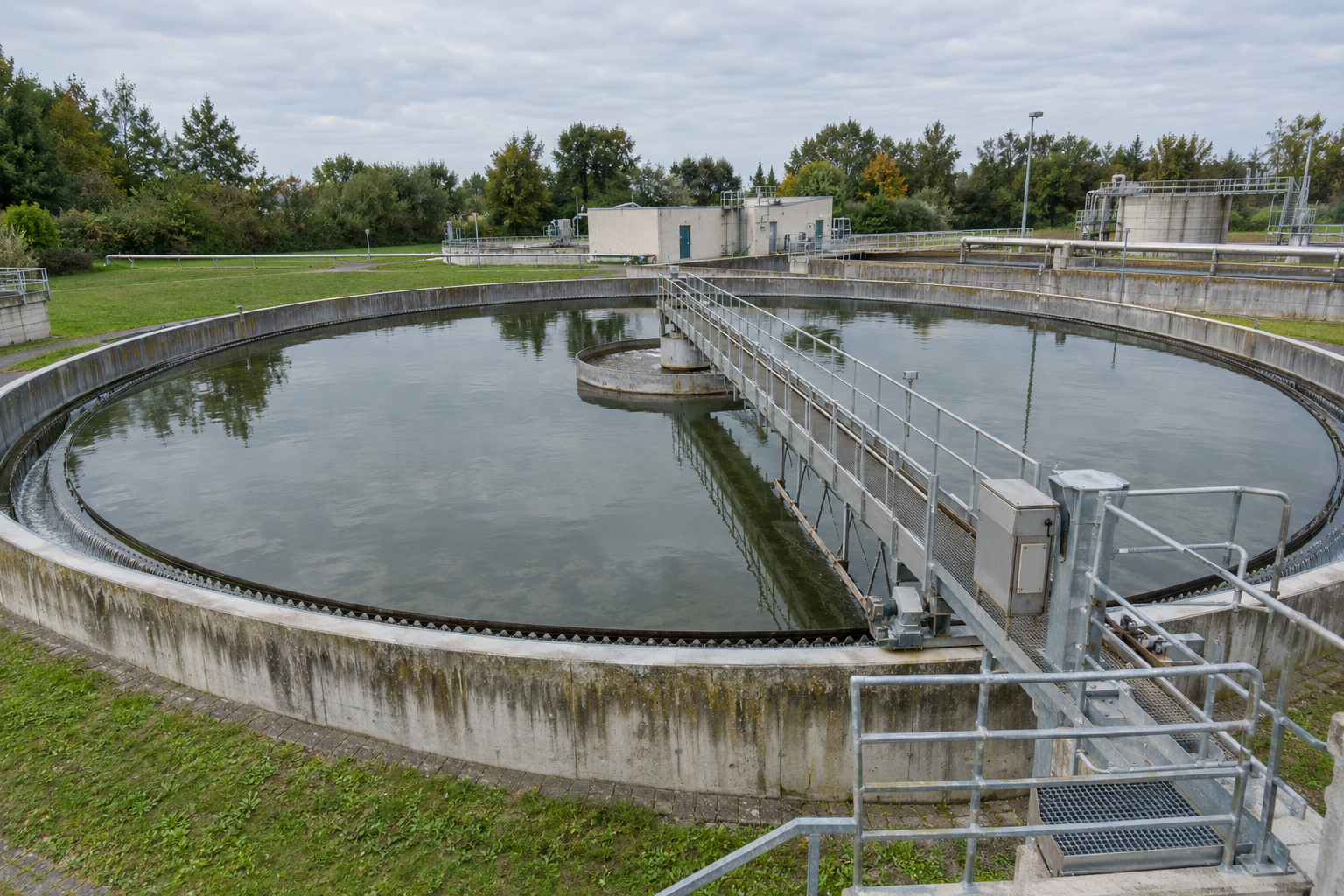
Equipment and systems for municipal treatment, industrial water preparation, effluent treatment and application-specific reuse.
Hydraulic capacity and contaminant load are separate considerations. A treatment requirement needs information about flow, composition and variation, together with the required discharge or reuse quality. Relevant parameters may include solids, organic matter, nutrients, pH and particular contaminants, depending on the application.
We identify whether the opportunity concerns a complete installation, an additional treatment stage, replacement equipment or an upgrade to an existing process.
We also establish the involvement of the operator, engineering consultant, EPC and process supplier, so the manufacturer’s technical discussion reaches the appropriate organisation.
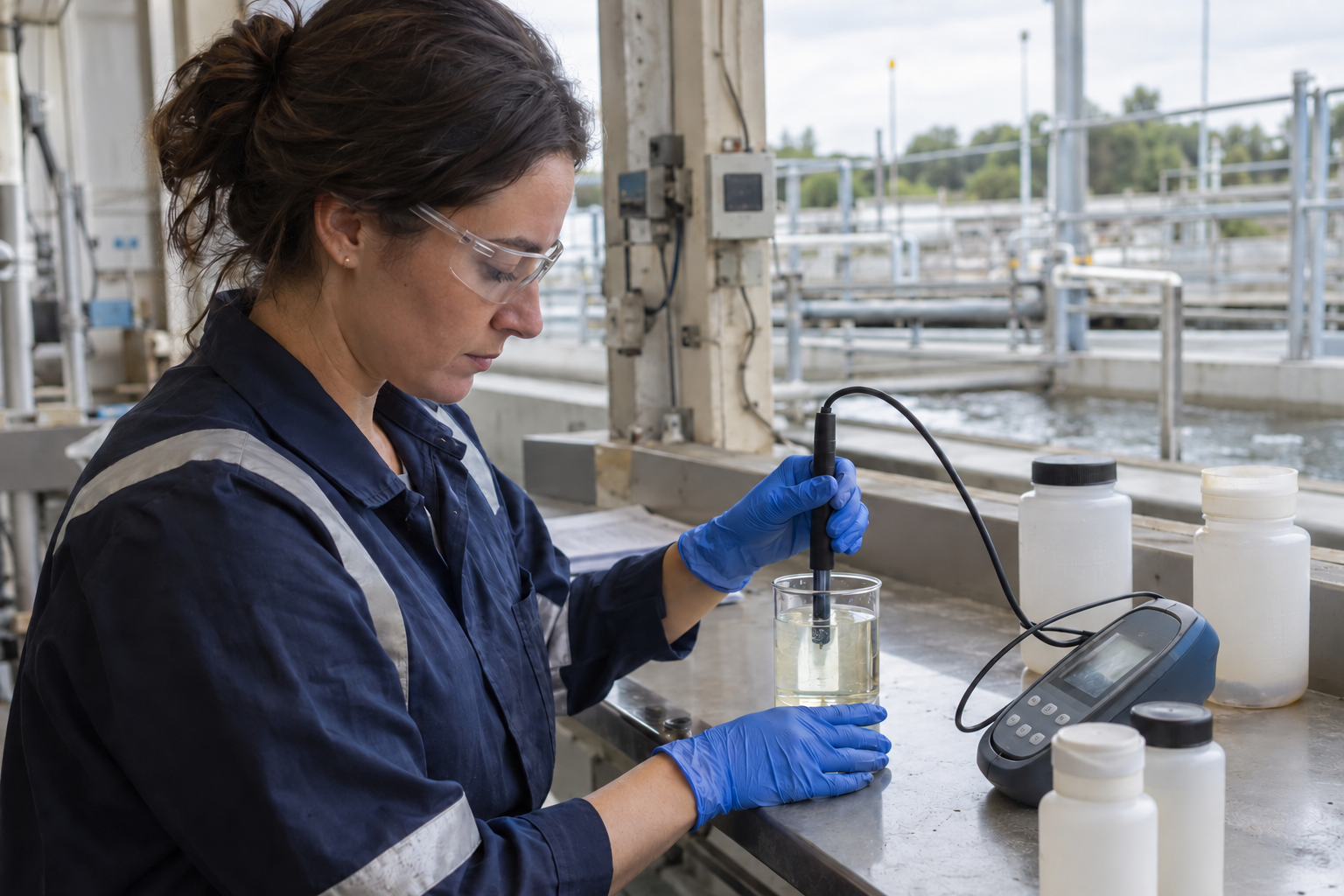
Flow, pressure, level and temperature instruments, liquid-analysis equipment, sampling systems and process-monitoring technologies.
The starting point is the measurement’s purpose: controlling a process, identifying an abnormal condition, supporting maintenance or documenting water quality.
Installation conditions and the maintenance routine matter alongside the measurement range.
Liquid analysers can require regular cleaning, rinsing, replacement parts and calibration to perform reliably.
We develop accounts around the relevant operations, instrumentation and control teams. Qualification includes existing interfaces, data requirements, maintenance capability and the action expected when a measurement changes.
Technologies for network monitoring, leak localisation, pressure management and the identification of avoidable water consumption.
The application determines the appropriate approach. A distribution network, a buried industrial pipeline and an internal process-water installation require different information and intervention methods.
Monitoring and acoustic detection can support leak localisation and maintenance prioritisation, while pressure management provides a further means of managing network conditions.
Our commercial qualification connects detection to the operator’s response: how suspected losses are verified, who can intervene and how the result will be assessed.
For industrial water-efficiency opportunities, we seek a consumption baseline, the relevant process boundaries and the operating conditions against which improvement would be measured.
Shredders, size-reduction equipment, compactors and balers for defined waste and material streams.
Shredder selection depends on the material’s dimensions, properties and feeding method, together with the required output size. Cutter configuration, wear, non-shreddable objects and downstream processing requirements also influence suitability.
We qualify the material the plant actually receives, including variation and contamination, and clarify whether the objective is preparation for separation, product destruction, volume reduction or another processing duty.
For compaction and baling, the discussion focuses on handling, storage, transport and the receiving operation’s requirements. Material quality and its subsequent recovery route remain separate qualification questions.
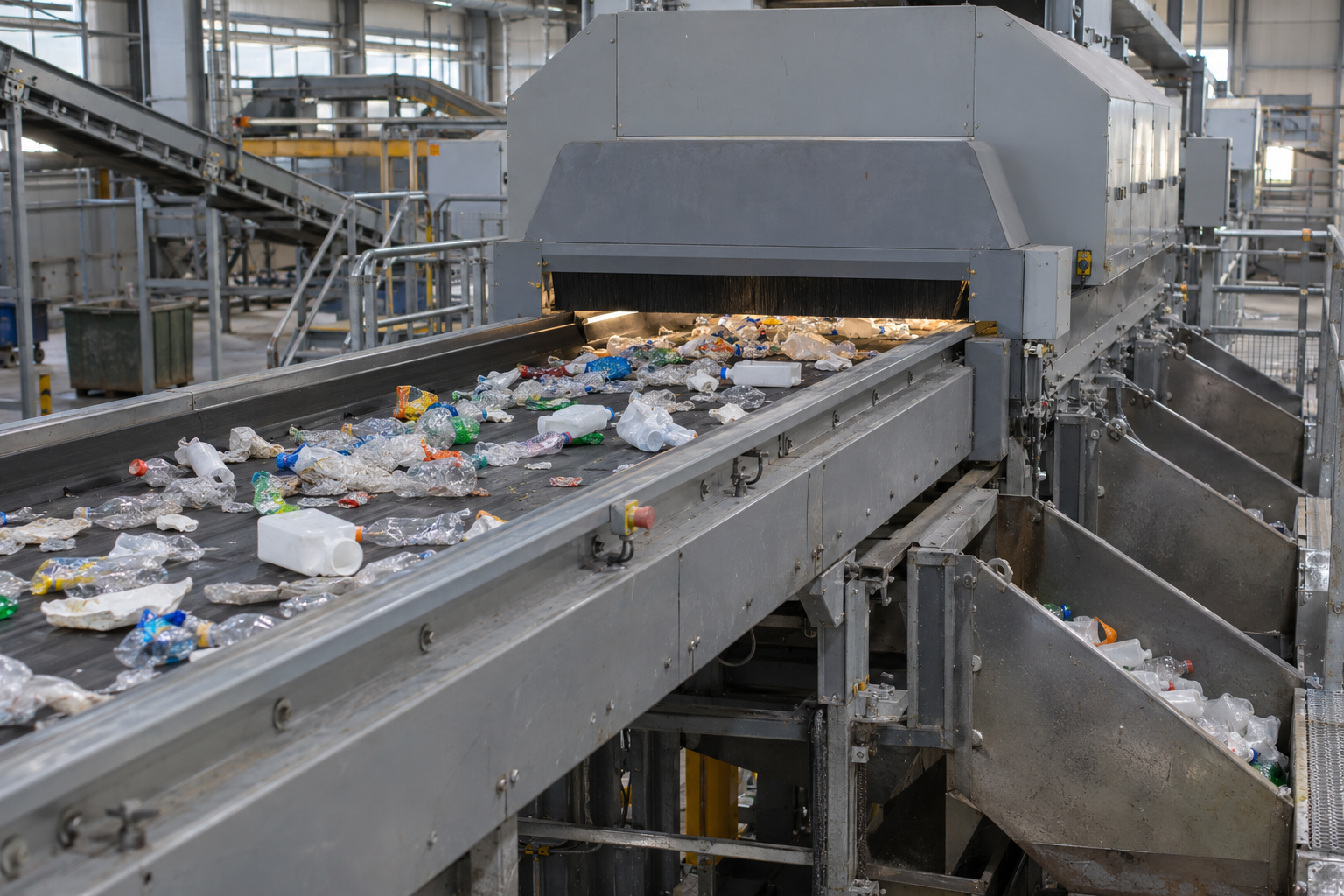
Mechanical and sensor-based sorting equipment for separating target materials and removing unwanted fractions.
Incoming waste composition can vary substantially. Equipment evaluation therefore needs to address the relevant mixture, material presentation, throughput and contaminants. Feed preparation and the positioning of sorting stages can materially affect the result.
We structure the commercial discussion around three distinct measures: throughput, recovery of the target material and purity of the resulting fraction.
Representative material trials can then support a manufacturer-led evaluation of the proposed application, with the test conditions and required outputs agreed in advance.
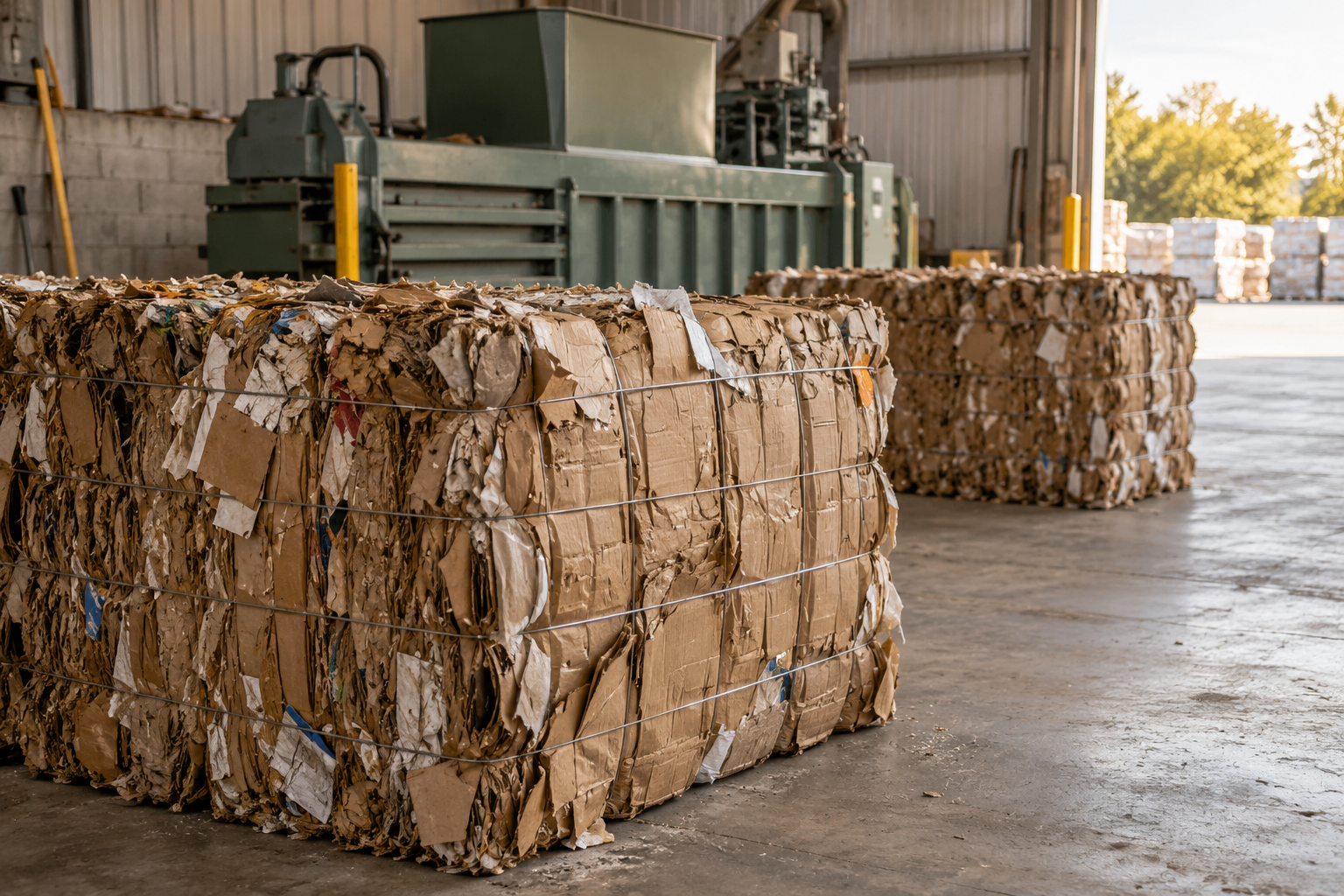
Equipment packages and integrated process stages for recovering usable fractions from industrial or post-consumer material streams.
The opportunity extends beyond the individual machine. We identify the receiving and preparation stages, separation sequence, recovered outputs and remaining rejects.
Commercial qualification also considers the downstream customer: required grade, acceptable contamination, consistency and delivery format.
A recovery project needs an economic case that accounts for the saleable output, operating costs and the handling of residual fractions.
We develop engagement with plant owners, process integrators and the organisations whose specifications influence the recovered material’s acceptance.
Extraction systems, dust collection, application-specific air treatment and supporting equipment such as dosing units, mixers, blowers, valves and process packages.
For extraction applications, the source of the emission and its effective capture are fundamental. Hood arrangement, air movement, replacement air and discharge location influence the installation. Filtration, adsorption and other treatment methods must be evaluated against the pollutants involved.
For auxiliary equipment, we establish the specific process duty, required operating range, installation interfaces and maintenance conditions.
We develop the appropriate buying route through plant teams, equipment builders, process integrators, specialist installers or technical distributors.
Opportunity qualification
We seek the information needed for a meaningful manufacturer review.
For water applications, this may include analyses, average and peak flows, production-related changes and the existing treatment sequence. For recycling applications, it may include material composition, dimensions, moisture, contaminants and representative samples.
Where the application requires further evidence, characterisation, laboratory testing or pilot studies can help establish treatability and support technology selection.
The target must be specific enough to evaluate.
It may concern treated-water quality, contaminant removal, recovered-material purity, particle size, sustained throughput or another agreed operating result.
We clarify who sets that requirement, how it will be measured and which conditions apply during evaluation.
The commercial brief includes the destination of sludge, concentrates, separated contaminants, rejects and other residual material.
We seek to identify the associated handling arrangements, responsibilities and cost assumptions. This makes the discussion more complete and helps the manufacturer understand the wider process into which its equipment will enter.
We clarify what the manufacturer is expected to supply and what the customer or another contractor will provide.
That includes relevant mechanical, electrical and control interfaces, supporting equipment, available space, access and installation timing.
For existing plants, we also identify shutdown constraints and the responsibilities for connecting the new equipment to the operating process.
The investment discussion should reflect the intended duty and agreed measurement boundary.
Relevant considerations can include energy, chemicals, water, consumables, maintenance labour, spare parts, downtime and residual-material handling.
We organise the commercial inputs so the supplier and customer can evaluate the proposal against stated assumptions.
Buyer ecosystem
We identify the application, asset responsibility, investment stage and purchasing procedure.
We develop engagement around the relevant project packages, technical submission requirements and equipment-supply boundaries.
We connect operations, maintenance, engineering, environmental and purchasing stakeholders around a defined plant need.
Qualification considers the materials received, contractual obligations, plant capacity, operating conditions and intended outputs.
We develop opportunities around feedstock, processing constraints, output specifications and the commercial value of the recovered fractions.
We assess opportunities for project supply, technical cooperation and repeat incorporation into their equipment or systems.
We identify their purchasing influence, delivery responsibilities and requirements for manufacturer support.
We assess application knowledge, customer coverage, service capability and commercial fit with the manufacturer’s intended route to market.
European market context
The revised EU Urban Wastewater Treatment Directive introduces stronger requirements for urban wastewater collection and treatment through phased implementation.
For industrial installations within the scope of the Industrial Emissions Directive, permit conditions are based on Best Available Techniques. The relevant sector, installation and permit must therefore inform the equipment discussion.
Our commercial approach is to establish the operator’s actual requirements and the project stage before positioning a technology against them.
Reuse qualification begins with the destination of the treated water and the quality that destination requires.
The EU Water Reuse Regulation establishes minimum requirements for treated urban wastewater used in agricultural irrigation. Industrial reuse requires assessment against the requirements applicable to its own intended use and location.
We seek to clarify those requirements early, including who is responsible for their technical interpretation and approval.
Output quality, customer acceptance and legal status need separate consideration.
EU end-of-waste criteria determine when qualifying recovered material ceases to be waste and becomes a product or secondary raw material. The applicable criteria depend on the material and relevant framework.
We include the intended outlet and the operator’s requirements in the commercial brief.
Where combustible dust, flammable substances or explosive atmospheres may be present, the installation requires an appropriate risk assessment and, where applicable, hazardous-area classification and protection measures.
We identify these conditions for manufacturer review and coordination with the responsible specialists.
What a mandate covers
Together, we select the applications and account types that justify commercial development: plant upgrades, replacement demand, engineered projects, equipment builders or distribution channels.
The result is a focused account strategy tied to the manufacturer’s capabilities.
Where formal procurement applies, we establish the procedure, supplier requirements and relevant milestones. Public authorities and utility operators purchase within European and national procurement frameworks.
This gives the manufacturer a clearer view of where engagement is useful and what preparation is required.
The discussion seeks to establish the current process, operating problem, desired result, decision structure and reason for considering an investment.
Feedback is organised into account intelligence and qualified next steps.
Where appropriate, we coordinate technical meetings, sample discussions, site visits, demonstrations or trials led by the manufacturer and relevant specialists.
Equipment sizing, process design and performance validation are handled by the responsible technical parties. Myralbe maintains the commercial coordination and follow-up.
We track outstanding requirements, responsibilities, timing and the next action needed from each party.
Reporting gives the manufacturer visibility into account progress, unresolved questions and opportunities requiring further investment.
Principal markets
Spanish-language development across water operators, industrial plants, recyclers, engineering firms, contractors and technical channels relevant to the manufacturer’s products.
Account priorities follow the application, procurement route and support requirements.
Portuguese-language account development shaped around the relevant operators, industrial customers, engineering organisations and equipment channels.
Commercial qualification connects local requirements with the manufacturer’s technical and delivery capabilities.
French-language engagement with operators, industrial sites, engineering firms, integrators and distributors.
We develop opportunities around the process duty, specification requirements and purchasing structure.
Additional European and international mandates defined around a specific application, account group or project opportunity.
Coverage is assembled according to the commercial objective, language needs and coordination required.
Tell us what your technology handles, the operating conditions it serves and the markets you want to develop.
We can define the relevant applications, identify the buying structure and establish the commercial work needed to progress qualified opportunities.