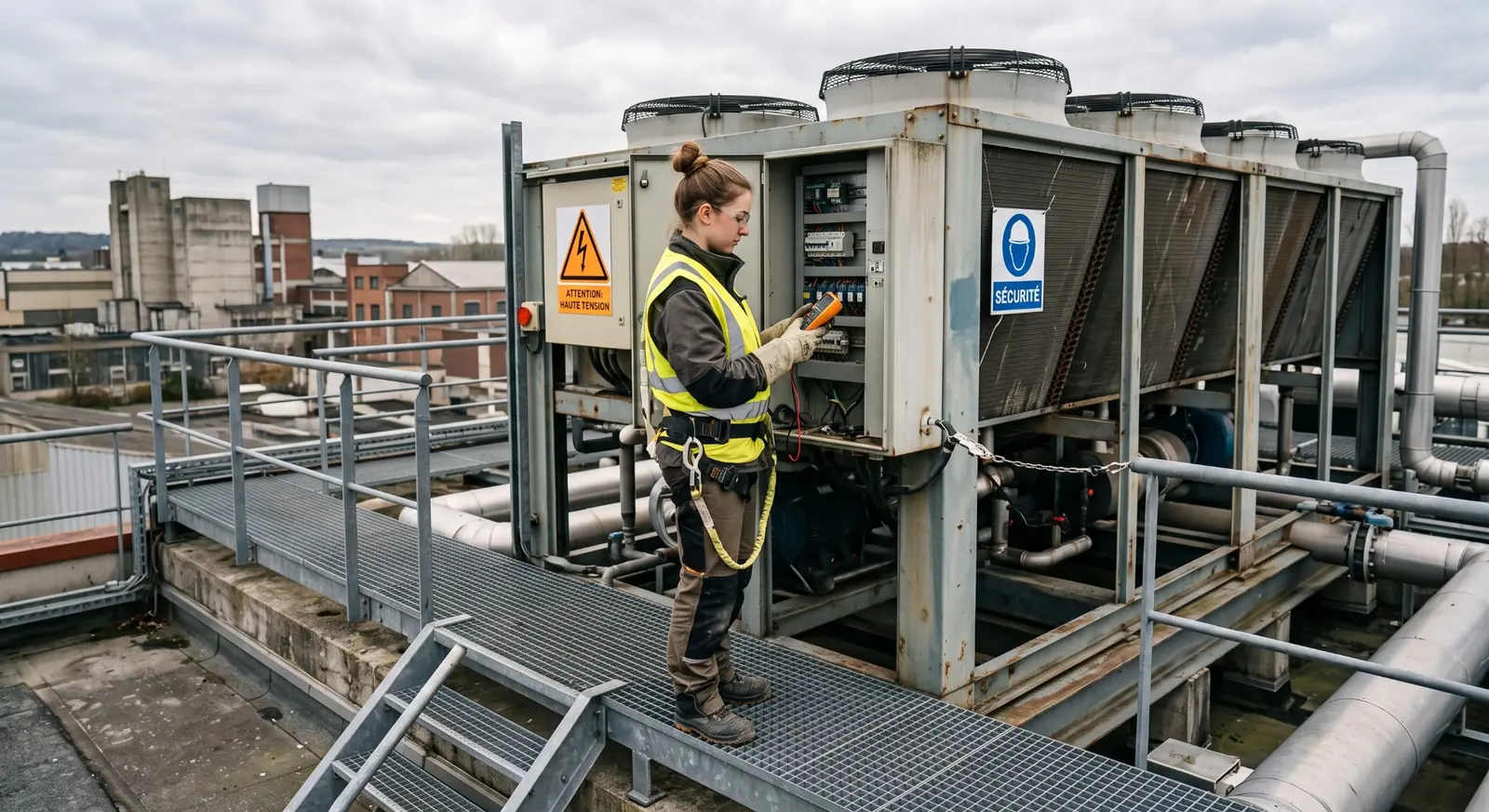
Illustrative scenario adapted from a real commercial discussion. The sector and identifying details have been changed. It explains a proposed approach, not a completed engagement or a customer result.
Imagine an HVAC monitoring and control manufacturer looking to expand into another European market. It has a company profile, a technical catalogue and a range of possible applications. Before starting outreach, which part of that portfolio should lead?
This example comes from an exploratory conversation with a manufacturer in a different technical field. The company shared its materials; we reviewed the portfolio and identified applications to discuss further. Product priorities, market scope and the engagement itself still needed to be agreed.
The same commercial question applies here. A catalogue explains what a manufacturer supplies. A market-development brief also needs to explain who might need it, why they would consider it and what would make a useful first conversation.
Choose an application people can discuss
For this HVAC example, the first task would be to identify the applications the manufacturer wants to prioritise and the types of customer it is equipped to support. A broad description of monitoring and control would leave too much for the person making contact to interpret.
An engineer may need to understand whether a product suits an installation. A maintenance team may focus on how it fits existing working practices. A purchasing team needs enough clarity to compare an offer and take it through an internal decision.
Commercial preparation connects those perspectives. We would work with the manufacturer to choose a starting point that its team can explain and support. That choice would guide account research and the questions asked during initial conversations.
Choosing an application gives the team a direction to investigate. Buyer demand still needs to be established through the conversations that follow.
Understand the relationships already in place
A new market may include existing distributors, direct customers or conversations already under way. Before approaching accounts, we would need to understand those relationships and any boundaries around them.
We would also agree the scope of Myralbe’s assignment. Would the work begin with research and initial qualification? How far should commercial follow-up extend? At what point should the manufacturer’s technical team join?
These are practical decisions about work and responsibility. They determine what information needs to be recorded, who acts on it and what the client can expect to receive. We would also name the person responsible for leading the commercial work and coordinating the client relationship.
Turn the brief into account work
The assignment would cover identifying relevant accounts and decision-makers, opening qualified discussions and supporting commercial follow-up with the manufacturer’s technical team.
For the HVAC scenario, we would translate the agreed priorities into an account brief. It would describe the organisations to research, why they might be relevant, the roles to approach and the questions an initial discussion should resolve.
Account records would distinguish researched information from what a prospective buyer had confirmed. After a conversation, follow-up notes would capture the application discussed, the people involved, unresolved questions and the next action.
This gives the manufacturer something it can work with. It can see where technical input is needed, whether an opportunity fits its priorities and what has been agreed with the prospective buyer. If the initial application does not fit, the record should make that clear too.
Keep engineering decisions with the technical team
Myralbe can help establish whether a discussion concerns a relevant application and involves the right people. We can gather context, coordinate the exchange and make sure questions reach the manufacturer.
Engineering validation is a separate responsibility. An interested account does not prove that a product is suitable for its installation. Compatibility, specifications and any applicable requirements must be assessed by the people qualified to make that judgement.
That boundary protects the quality of the conversation. The buyer receives an appropriate answer, and the manufacturer keeps control of technical claims.
A useful next conversation
The original exchange had not become an executed sales assignment. Its immediate purpose was to make the next discussion more specific: which applications to prioritise, where to begin, and what Myralbe would be responsible for doing.
If you supply HVAC or industrial refrigeration technology, that is a practical starting point for planning market development. Contact Myralbe to discuss your portfolio and the commercial work you need carried out.